
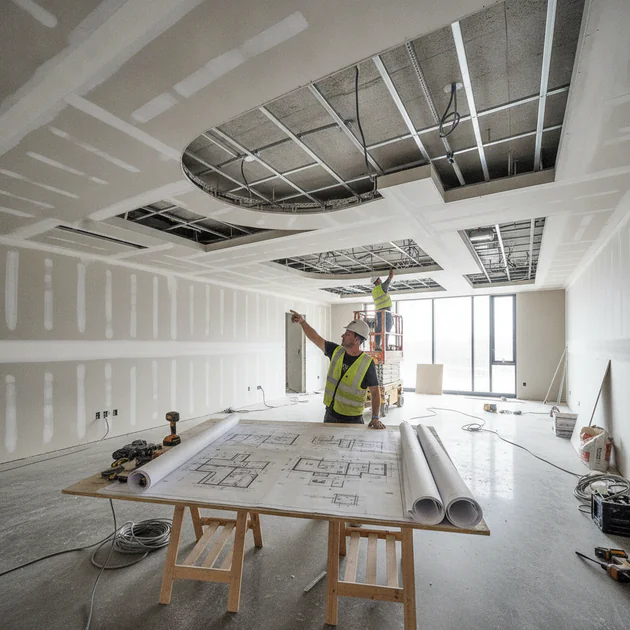
The Philadelphia skyline is not just changing; it’s preparing for a global spotlight. As we look toward 2026, the city is on the cusp of a truly historic moment. The convergence of two monumental events—the FIFA World Cup and the nation’s Semiquincentennial (250th anniversary) celebration—is creating a powerful catalyst for the construction industry. This isn’t just another busy year; it’s a generational opportunity that will reshape our city’s infrastructure, hospitality sector, and public spaces. For professionals in the walls and ceilings trade, this translates into a period of unprecedented demand, presenting both immense opportunities and unique challenges.
The buzz is palpable, from the boardrooms of developers to the job sites across the five boroughs. The projects required to host the world will demand the highest standards of quality, speed, and innovation. Hotels need to be built and renovated, stadiums upgraded, restaurants expanded, and transportation hubs modernized. Every one of these projects hinges on the expert craftsmanship of interior systems contractors. The walls that will welcome international visitors and the ceilings that will echo with celebration are yet to be built, and the 2026 walls and ceilings construction forecast indicates a market that is robust, dynamic, and rapidly evolving.
This comprehensive forecast from Philadelphia Trade Experts is designed to be your strategic guide. We will delve into the macroeconomic drivers fueling this boom, pinpoint the key growth sectors for drywall and acoustical contractors, and analyze the emerging material and technological trends you need to master. Furthermore, we’ll address the critical labor market dynamics and provide actionable strategies to help your company not just survive, but thrive in the run-up to 2026. This is the time to prepare, to innovate, and to position your business at the forefront of Philadelphia’s construction renaissance.
Macro-Economic Engines: Why 2026 is a Perfect Storm for Philadelphia Construction
The projected growth in our sector isn’t based on speculation; it’s grounded in tangible, large-scale economic drivers. Understanding these forces is the first step for any contractor looking to capitalize on the coming wave of projects. The synergy between tourism, civic celebration, and ongoing private development creates a multi-layered demand structure that will sustain the industry for the next several years.
First and foremost, the FIFA World Cup 2026 is a game-changer. Philadelphia’s selection as a host city is a massive win, triggering a cascade of construction activity. The primary focus will be on the hospitality sector. Industry analysts project the need for thousands of new and renovated hotel rooms to accommodate the influx of teams, officials, and fans. This means:
- New Hotel Construction: Ground-up hotel projects will require complete wall and ceiling systems, from shaft walls and demising walls to intricate lobby ceilings and high-STC (Sound Transmission Class) guest room assemblies.
- Major Hotel Renovations: Existing hotels will undergo extensive upgrades to compete for premium guests. This involves gut renovations, reconfiguring floor plans, and installing modern, high-end finishes, acoustic solutions, and integrated lighting systems.
- Restaurant and Retail Fit-Outs: The ripple effect extends to dining and shopping. A surge in restaurant and retail fit-outs is expected in Center City and near the stadium complex, each demanding skilled finishing and unique architectural ceiling designs.
Concurrent with the World Cup, Philadelphia will be the epicenter of the nation’s 250th anniversary celebration. This Semiquincentennial will draw millions of visitors and spur significant investment in public and cultural infrastructure. Projects will focus on enhancing the visitor experience and showcasing the city’s history. This includes the renovation of historic buildings, upgrades to museums and theaters, and the creation of new public pavilions and event spaces. For walls and ceilings contractors, this means working with specialized materials, including high-impact drywall for public areas, advanced acoustic treatments for performance venues, and meticulous Level 5 finishing for high-visibility spaces.
Beyond these tentpole events, Philadelphia’s organic growth continues unabated. The life sciences sector, a cornerstone of the regional economy, is still booming. The development of lab and R&D facilities in areas like University City and the Navy Yard continues to demand specialized construction. These projects require sophisticated wall and ceiling systems, such as cleanroom panels, interstitial ceiling spaces for complex MEP (Mechanical, Electrical, and Plumbing) systems, and durable, chemical-resistant finishes. This sustained private investment provides a stable foundation of work that complements the event-driven projects, ensuring a broad and diverse project pipeline through 2026 and beyond.
Pinpointing Growth: Key Sectors for Walls and Ceilings Contractors
While the overall forecast is strong, the most successful contractors will be those who strategically target the highest-growth sectors. The demand in the 2026 walls and ceilings construction forecast is not monolithic; it’s concentrated in specific areas where specialization and expertise will command a premium. Understanding these niches is critical for allocating resources, training staff, and pursuing the most profitable bids.
1. Hospitality and Mixed-Use Development
This is the undisputed front-runner for growth. The World Cup is the primary driver, but the city’s overall appeal is also fueling development. Contractors in this space must be proficient in delivering high-end aesthetics on compressed schedules. Key demands will include:
- Acoustic Performance: In hotels and mixed-use residential buildings, sound control is paramount. Expertise in designing and installing high-STC wall assemblies between rooms and from corridors is a major competitive advantage. This includes using products like sound-damping drywall, resilient channels, and acoustic insulation.
- Complex Ceiling Designs: Modern hotel lobbies, ballrooms, and restaurants feature intricate ceiling designs with clouds, baffles, coves, and integrated linear lighting. Proficiency with specialty ceiling systems from manufacturers like Armstrong, USG, and CertainTeed will be essential.
- High-End Finishes: The demand for Level 5 finishes, specialty plasters, and veneer plaster systems will be at an all-time high to achieve the luxury look these projects require.
2. Institutional and Life Sciences
Philadelphia’s “Cellicon Valley” continues its expansion. While not directly tied to 2026 events, this sector provides a steady stream of complex, high-margin work. These projects are less about speed and more about precision and technical knowledge.
- Specialized Wall Systems: Laboratories and healthcare facilities require more than standard drywall. Contractors need experience with lead-lined drywall for imaging rooms, impact and abuse-resistant panels for high-traffic corridors, and modular cleanroom wall systems.
- MEP-Heavy Ceilings: The ceilings in these facilities are a complex web of pipes, ducts, conduits, and data cables. Expertise in laying out and installing ceiling grids that seamlessly integrate with these systems is a highly sought-after skill. This often involves working closely with other trades through BIM (Building Information Modeling) coordination.
- Strict Code Compliance: These environments are heavily regulated. A deep understanding of fire codes, air quality standards, and healthcare construction protocols is non-negotiable.
3. Renovation and Adaptive Reuse
With its rich stock of historic and older buildings, Philadelphia is a prime market for adaptive reuse. The push to get buildings “2026-ready” will accelerate this trend. This work presents unique challenges and opportunities.
- Interior Retrofitting: This involves bringing older buildings up to modern standards for energy efficiency, fire safety, and acoustics. It can include adding insulation, installing new fire-rated partitions, and upgrading ceiling systems.
- Working with Existing Conditions: Unlike new construction, renovation requires problem-solving on the fly. Contractors must be skilled at tying new systems into out-of-plumb walls and uneven ceiling structures, a common challenge in Philadelphia’s older buildings.
- Historic Preservation: Some projects will involve restoring historic plasterwork alongside installing modern drywall systems. Having crews with skills in ornamental plaster can be a significant advantage.
Material Innovations and Technology: The Trends Shaping 2026 Job Sites
The way we build is evolving. The demands of the 2026 walls and ceilings construction forecast—speed, quality, sustainability, and performance—are accelerating the adoption of new materials and technologies. Staying ahead of these trends is no longer optional; it’s essential for maintaining a competitive edge in the Philadelphia market.
Sustainability Takes Center Stage
Green building is now a core requirement for most major projects, driven by municipal regulations, client demand, and corporate ESG (Environmental, Social, and Governance) goals. For walls and ceilings, this means a focus on:
- Low-VOC Products: Paints, primers, sealants, and adhesives with low or zero volatile organic compounds (VOCs) are standard to ensure better indoor air quality.
- Recycled Content: Specifying and installing drywall with high recycled content (both pre- and post-consumer) is a key component of LEED and other green building certifications. Synthetic gypsum, a byproduct of power plant scrubbers, is a major source for this.
- Material Transparency: Clients are increasingly asking for materials with Health Product Declarations (HPDs) and Environmental Product Declarations (EPDs), which document a product’s life-cycle impact and chemical ingredients.
- Sustainable Insulation: The use of mineral wool and fiberglass insulation with high recycled content is growing, valued for both its thermal and superior acoustic and fire-resistant properties.
Prefabrication and Off-Site Construction
To meet the tight deadlines of 2026, general contractors are pushing for more off-site construction. This trend is significantly impacting the walls and ceilings trade. Instead of stick-framing every wall on-site, companies are turning to prefabricated panels.
- Panelized Wall Systems: Interior and exterior wall panels, complete with framing, sheathing, and even initial MEP rough-ins, are built in a controlled factory environment. This improves quality, reduces on-site waste, and dramatically speeds up the framing and drywall process.
- Modular Ceiling Components: Pre-built ceiling modules or large sections of grid can be assembled on the ground and lifted into place, increasing safety and efficiency.
- Digital Integration: Prefabrication relies heavily on digital models (BIM). Your team must be proficient in reading and working with these models to ensure seamless integration between factory-built components and on-site work.
The Rise of Smart and Performance-Driven Systems
Walls and ceilings are no longer just static dividers of space. They are becoming active, integrated systems that contribute to a building’s performance and the well-being of its occupants.
- Integrated Technology: Ceilings are now designed to be “smart,” with integrated low-voltage lighting, sensors for occupancy and air quality, and speakers for sound masking systems. Contractors must be comfortable coordinating with low-voltage electricians and AV technicians.
- Acoustic Design as a Priority: The focus on occupant wellness has made acoustics a critical design element. This goes beyond standard ceiling tiles to include specialty products like acoustic baffles, fabric-wrapped wall panels, wood-veneer ceiling systems, and sound-absorbing plaster systems. Understanding how to install these high-value products is key.
- Biophilic Design Elements: There is a growing trend to incorporate natural elements into interior spaces. This can mean installing walls with textured, nature-inspired finishes or ceilings that accommodate integrated planters or mimic natural light patterns.
Navigating the Labor Market: Skills and Strategies for 2026
The single greatest challenge in meeting the demands of the 2026 walls and ceilings construction forecast will be the availability of skilled labor. The industry-wide shortage is particularly acute in specialized trades. For Philadelphia-based contractors, attracting, training, and retaining top talent will be the defining factor of success. A proactive approach to workforce development is not just good practice; it’s a survival strategy.
The demand is not just for more workers, but for workers with evolving skill sets. The days of simply needing someone who can hang and finish drywall are fading. The modern walls and ceilings professional needs a broader range of competencies.
- Digital Literacy: The job site is going digital. Field crews must be comfortable using tablets to view digital blueprints, BIM models, and daily work reports. Foremen and project managers need proficiency in project management software to track progress and communicate effectively.
- Specialty Systems Installation: As discussed, projects now involve complex acoustic ceiling systems, modular walls, and high-end architectural finishes. These systems require manufacturer-specific training and a higher level of precision than standard construction.
- Cross-Trade Coordination: With increasingly congested ceiling plenums and integrated systems, the ability to communicate and coordinate with electricians, plumbers, and HVAC technicians is crucial to avoid costly rework.
- Safety Leadership: With accelerated schedules, maintaining a strong safety culture is paramount. Workers and leaders who are well-versed in OSHA standards and proactive safety measures are invaluable assets.
So, how can your company build a team ready for 2026?
- Invest in Apprenticeship and Training: Partner with local unions and trade schools to build a pipeline of new talent. Develop robust in-house training programs to upskill your existing workforce on new materials and technologies. This investment pays for itself through increased productivity and quality.
- Embrace Technology to Boost Productivity: While technology can’t replace skilled hands, it can make them more efficient. Tools like robotic layout systems (e.g., Dusty Robotics) can automate the time-consuming process of laying out partitions, freeing up skilled workers for more complex tasks.
- Cultivate a Strong Company Culture: In a tight labor market, money isn’t the only factor. A culture that prioritizes safety, respect, professional development, and work-life balance will help you attract and, more importantly, retain your best employees.
- Strategic Subcontracting: Identify your core competencies and build relationships with trusted partners to handle specialized scopes of work. Trying to be everything to everyone can stretch your resources too thin.
FAQs: Your Questions on the 2026 Forecast Answered
What is the single biggest opportunity within the 2026 walls and ceilings construction forecast in Philadelphia?
The single biggest opportunity lies in high-performance interior systems for the hospitality sector. The sheer volume of new hotel construction and renovation driven by the World Cup creates a concentrated demand for contractors who excel at acoustic control, high-end finishes, and complex ceiling installations. Projects in this sector often have higher margins but demand exceptional quality and adherence to strict schedules. Companies that can market themselves as experts in creating quiet, beautiful, and functional hospitality spaces will be in the best position to win premier contracts.
Are material costs and supply chain issues expected to be a major factor leading up to 2026?
Yes, this remains a significant concern. While some of the extreme volatility seen in 2021-2022 has subsided, we anticipate that the massive, synchronized demand in major cities across North America for the World Cup will put renewed pressure on supply chains for key materials like drywall, steel studs, and specialty ceiling components. We forecast moderate price increases and the potential for extended lead times on specific products. The most successful contractors will be those who engage in early procurement, build strong relationships with local suppliers, and communicate proactively with GCs about potential material substitutions and lead times.
How can smaller to mid-sized local contractors compete for 2026-related projects against larger, national firms?
Smaller and mid-sized firms can compete effectively by leveraging their local knowledge and agility. Their strategy should focus on specialization and partnership. Instead of bidding on entire mega-projects, focus on a specific niche, such as high-end restaurant fit-outs, acoustic treatments for performance spaces, or complex renovation work where your problem-solving skills shine. Furthermore, form strategic partnerships with other local specialty contractors to offer a more comprehensive package. Your deep understanding of the Philadelphia market, local labor, and permitting processes is a significant advantage that larger, out-of-town firms lack.
What role will Building Information Modeling (BIM) play in walls and ceilings contracts for 2026?
BIM will play a critical and non-negotiable role on virtually all major projects. For walls and ceilings contractors, BIM is no longer just a tool for the GC; it’s an essential part of your workflow. It will be used for clash detection (ensuring your partitions don’t conflict with MEP systems), precise layout, quantity takeoffs for more accurate bidding, and prefabrication. Firms that have not yet invested in BIM capabilities, including software and training for project managers and foremen, will find themselves at a severe competitive disadvantage and may be excluded from bidding on the most desirable 2026 projects.
Conclusion: Seizing the 2026 Opportunity
The 2026 walls and ceilings construction forecast for Philadelphia paints a clear picture: the coming years represent a period of extraordinary growth and transformation. Driven by the monumental forces of the FIFA World Cup and the nation’s 250th anniversary, the demand for skilled interior systems contractors will reach a generational high. The opportunities are immense, but they belong to the prepared. Success will not be accidental; it will be the result of strategic planning, investment in technology, and a deep commitment to workforce development.
The key takeaways are clear. The growth is concentrated in the hospitality, institutional, and renovation sectors. The trends are pushing us toward more sustainable, prefabricated, and technologically integrated systems. And the primary challenge will be navigating a highly competitive labor market. Contractors who embrace these realities—who specialize, innovate, and invest in their people—will not only secure a pipeline of profitable work through 2026 but will also build a stronger, more resilient business for the decade to come.
The time to act is now. Don’t let this opportunity pass you by. Position your company at the forefront of this historic building boom. As Philadelphia’s trusted partner in the trades, we are here to help you navigate the complexities of the market. Contact Philadelphia Trade Experts today to discuss how we can help you prepare your team, refine your strategy, and build your success story for 2026 and beyond.
Leave a Reply