
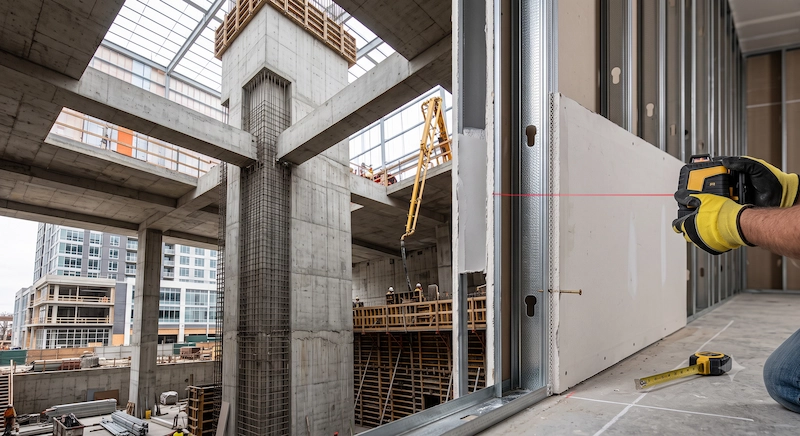
The Philadelphia skyline is a testament to our city’s history of innovation—a story told in brick, steel, and glass. From historic restorations in Old City to the gleaming towers of Center City, the construction industry has always been the engine of our region’s progress. But today, a new chapter is being written, one that shifts the focus from simply building structures to building truly inclusive communities. A groundbreaking project is underway that serves as a powerful case study for this evolution: a new Philadelphia inclusive design special needs campus that is setting a national precedent for how we design and construct spaces for everyone.
For too long, “accessibility” in construction was a checklist item, a matter of meeting the minimum requirements of the Americans with Disabilities Act (ADA). Ramps, grab bars, and accessible parking spots were treated as additions rather than integral components of the design. This new campus challenges that outdated mindset. It champions the principles of universal design—the philosophy of creating environments that are inherently usable by all people, to the greatest extent possible, without the need for adaptation or specialized design. This isn’t just about physical disabilities; it’s about accommodating neurodiversity, sensory sensitivities, cognitive differences, and the varying needs of people at every stage of life.
For construction professionals, project managers, and trade experts across the Philadelphia region, this project is more than just an inspiring story. It is a roadmap for the future of our industry. It demonstrates a market shift towards buildings that are not only functional and compliant but also empathetic and empowering. Understanding the principles, materials, and techniques behind this campus is essential for any firm that wants to remain competitive, attract high-value projects, and contribute to a more equitable built environment. This article will dissect the key elements of this pioneering project, exploring the practical applications for your own work and the significant business case for embracing inclusive design.
Beyond the Ramp: Redefining Accessibility in Philadelphia Construction
For decades, the ADA has been the foundational legal framework for accessibility in the United States. Its passage in 1990 was a monumental civil rights achievement, and its standards have undeniably improved access for millions. However, for forward-thinking construction professionals, it’s crucial to recognize the ADA for what it is: a baseline, not a finish line. It sets the legal minimums required to avoid discrimination, but it does not, by itself, create spaces that are truly welcoming, comfortable, or intuitive for a diverse population.
The limitations of a compliance-only mindset are clear:
-
- A Focus on Mobility: The ADA primarily addresses physical mobility impairments. It offers less guidance on creating spaces for individuals with sensory processing disorders (like autism), cognitive challenges, or even temporary impairments (like a parent pushing a stroller while carrying groceries).
–
- Retrofitting vs. Integration: A compliance-first approach often results in “add-on” solutions—a ramp bolted onto a historic entrance or a single accessible restroom in a large facility. These solutions can feel stigmatizing and inefficient.
- The “One-Size-Fits-All” Flaw: ADA standards are prescriptive, but human needs are incredibly varied. A space can be 100% ADA-compliant and still be a sensory nightmare for a person with autism or confusing to navigate for someone with dementia.
This is where inclusive design, often used interchangeably with universal design, represents a profound paradigm shift. It is a design philosophy, not just a legal code. It asks a fundamentally different question: “How can we design this space so it works beautifully for everyone from the start?” Instead of designing for the “average” user and then adding accommodations for others, it seeks to create a single, integrated solution that benefits a wide spectrum of people. Think of the curb cut: designed for wheelchair users, it also benefits parents with strollers, travelers with rolling luggage, and delivery workers with carts. That is the essence of universal design.
In the context of the new Philadelphia special needs campus, this philosophy moves beyond physical access to encompass a multi-sensory approach. It considers acoustic comfort, lighting quality, spatial organization, and even the emotional experience of a building’s occupants. For the Philadelphia construction industry, this means a shift in skills and perspective is required. It’s about collaborating earlier with architects, occupational therapists, and end-users. It’s about understanding the properties of materials beyond their durability and cost, and appreciating how a well-executed detail can profoundly impact someone’s ability to learn, work, and thrive.
Case Study: The Vanguard Academy for Neurodiversity – A Blueprint for Inclusive Building
To understand these principles in action, let’s examine the (fictionalized but representative) “Vanguard Academy for Neurodiversity,” the new Philadelphia inclusive design special needs campus that is capturing the industry’s attention. This project was conceived from the ground up with a singular mission: to create an environment where students with a wide range of physical, sensory, and cognitive needs can feel safe, engaged, and empowered. Every design choice and construction detail serves this mission, providing a rich learning ground for local trade professionals.
Sensory-Responsive Environments: Mastering Light and Sound
One of the most significant challenges for many students at the Vanguard Academy is sensory overload. Traditional school environments—with buzzing fluorescent lights, echoing hallways, and unpredictable PA system announcements—can be overwhelming and detrimental to learning. The campus tackles this head-on with a sophisticated approach to sensory management.
- Acoustic Engineering: From the outset, sound control was a top priority. Instead of standard drywall and ceiling tiles, the project specified high-performance acoustic materials. This includes sound-absorbing wall panels (disguised as art or textural elements), baffles in high-ceiling common areas, and specialized, dense insulation between classrooms. Even the HVAC system was engineered for silence, using larger ducts to move air at lower velocities, thus eliminating the persistent hum that can be a major source of anxiety.
- Advanced Lighting Systems: The campus has completely eliminated fluorescent lighting. In its place is a fully tunable LED system. This technology allows teachers to control not just the brightness (intensity) but also the color temperature of the light in their classrooms. They can shift from a cool, blue-toned light that promotes alertness in the morning to a warmer, yellow-toned light to create a calmer atmosphere in the afternoon. All lighting is indirect and baffled to prevent glare, a common trigger for migraines and visual stress.
- Tactile and Material Choices: Flooring transitions are seamless, using materials with different textures to provide subtle cues for visually impaired students. In high-traffic areas, floors are non-slip and non-glare. Walls in certain “calming rooms” feature soft, warm materials like cork or felt, providing a comforting tactile experience.
Cognitive Accessibility: The Art of Intuitive Wayfinding
Navigating a large, complex building can be stressful for anyone, but for individuals with cognitive or executive function challenges, it can be an insurmountable barrier. The Vanguard Academy was designed to be as intuitive as possible, reducing cognitive load and fostering independence.
The design team implemented a multi-layered wayfinding strategy. Each wing of the school is color-coded, with the color integrated into the flooring, wall accents, and signage. This simple visual system allows students to navigate with confidence. Furthermore, instead of relying on room numbers alone, major destinations like the library, cafeteria, and gymnasium are identified by large, simple, and universally understood icons. The layout itself is logical, with clear lines of sight and no confusing, dead-end corridors. “Landmarks”—such as a unique sculpture, a small indoor garden, or a distinctively shaped seating area—are strategically placed to serve as memorable reference points.
Physical Accessibility Reimagined
While the campus far exceeds ADA requirements, its approach to physical accessibility is about dignity and integration, not just compliance. Zero-threshold transitions are standard not just at the main entrance but between every single room and even out to the patios and playgrounds. This eliminates the subtle but constant challenge of navigating small bumps and thresholds for wheelchair users or those with mobility aids.
Hallways and doorways are significantly wider than code requires, allowing two wheelchair users to pass each other comfortably or for a student to walk alongside a caregiver with equipment. In science labs, art studios, and therapy rooms, many workstations and sinks are equipped with powered, adjustable-height surfaces. This allows a student in a wheelchair, a shorter student, and a taller instructor to all work at the same surface comfortably and ergonomically. The outdoor spaces are just as inclusive, featuring playgrounds with rubberized surfaces, wheelchair-accessible swings, sensory gardens, and quiet, shaded nooks for children who need a break from social activity.
The Trade-Level Execution: Skills and Materials Driving Inclusive Design
A visionary design is only as good as its execution. For the Philadelphia trade professionals who brought the Vanguard Academy to life, the project demanded a higher level of precision, collaboration, and knowledge. This is where the rubber meets the road for contractors looking to specialize in this growing field.
The success of an inclusive design project hinges on the expertise of every trade on site. It requires a shift from thinking in silos to understanding how each component contributes to the holistic, sensory experience of the building.
- HVAC & Mechanical: The Unsung Heroes of Sensory Comfort
In this context, HVAC is not just about temperature control; it’s about acoustic and air quality control. The mechanical contractor had to source and install ultra-quiet Variable Air Volume (VAV) systems and use advanced sound attenuators within the ductwork. The meticulous planning of duct routing was critical to avoid noise transmission between sensitive spaces like therapy rooms and quiet classrooms. - Electrical: Powering a Responsive Environment
The electrical scope was far more complex than a standard commercial build. It involved installing and integrating the DALI (Digital Addressable Lighting Interface) control system for the tunable lighting. This required electricians with specialized training in low-voltage and data systems. Furthermore, the plan called for an abundance of outlets at multiple heights to power a wide array of assistive technologies, from communication devices to mobility equipment, ensuring power is always within easy reach. - Carpentry & Finishes: Precision is Paramount
The level of finish required was exceptionally high. Carpenters were tasked with creating perfect, zero-threshold transitions between different flooring materials—a task that leaves no room for error. They were also responsible for installing specialized acoustic wall panels and ceiling clouds, which require careful handling and precise mounting to achieve their rated sound-dampening performance. The selection and application of low-VOC (Volatile Organic Compound) paints and adhesives were mandatory to ensure superior indoor air quality for medically sensitive students. - Plumbing: Accessibility Meets Hygiene
Plumbers installed not only the adjustable-height sinks but also a variety of touchless fixtures to reduce the spread of germs and ease of use for those with limited motor skills. The layout of restrooms was carefully considered to provide ample turning radius for larger power wheelchairs, well beyond the minimum ADA dimensions.
For project managers, the key takeaway is the need for intensive cross-trade communication. The electrician programming the lighting controls needs to understand the sensory goals of the space. The HVAC technician balancing the airflow needs to be aware of the acoustic requirements. This level of integrated planning, starting long before anyone sets foot on site, is what separates a standard project from a landmark of inclusive design.
The Business Case: Why Inclusive Design is a Smart Investment for Philadelphia Developers
While the ethical and social imperatives for inclusive design are clear, it’s crucial for construction professionals to understand and articulate the powerful business case to clients and developers. Embracing these principles is not just an act of corporate social responsibility; it’s a strategic business decision with a significant return on investment.
Future-Proofing Assets: A building designed with universal principles has a much longer and more flexible lifespan. It can easily adapt to changing demographics and tenant needs without requiring costly renovations. A commercial office space designed with wider hallways, better lighting, and quieter acoustics will be more attractive to a wider range of tenants—from a tech startup with a neurodiverse workforce to a healthcare provider serving elderly patients. This inherent flexibility makes the asset more valuable and resilient over the long term.
Market Differentiation in a Crowded Field: The Philadelphia construction and real estate market is competitive. Developers are constantly looking for an edge. A portfolio that showcases a genuine commitment to high-quality, inclusive design is a powerful differentiator. It signals a sophisticated, forward-thinking approach that can attract premium tenants, ESG-focused investors (Environmental, Social, and Governance), and positive public attention.
Expanded Market Reach: Approximately one in four adults in the U.S. has some type of disability. When you add in aging parents, young children, and those with temporary injuries, the number of people who benefit from inclusive design is immense. Buildings that cater to this vast and often-underserved market will experience higher demand and lower vacancy rates. This applies across sectors, from multi-family residential and hospitality to retail and corporate offices.
Reduced Lifecycle Costs: While some inclusive design features may have a slightly higher upfront material cost, they can lead to lower lifecycle costs. Durable, high-quality materials often last longer. An ergonomic and less stressful environment can lead to higher employee productivity and retention for commercial tenants. Furthermore, building inclusively from the start is far more cost-effective than retrofitting a space later to accommodate a specific need.
Challenges and Opportunities for the Philadelphia Building Trades
Adopting a new standard of building is not without its challenges. The first hurdle is often perception—specifically, the misconception that inclusive design is prohibitively expensive. While high-end systems like tunable lighting do carry a premium, many universal design principles are about smart design, not expensive products. Wider hallways, logical layouts, and better material choices can often be achieved with minimal impact on the budget if they are planned from the project’s inception.
The primary challenge is the need for education and upskilling. Trade professionals need training on the latest materials and installation techniques. Project managers need to become adept at facilitating a more collaborative design and construction process. This is where the opportunity lies. Firms and individuals who invest in this expertise now will become the go-to leaders in the Philadelphia market.
The opportunities are significant:
- Develop a Niche Expertise: Become the contractor known for flawlessly executing sensory-friendly environments or complex accessibility projects.
- Forge New Partnerships: Collaborate with architectural firms, occupational therapists, and accessibility consultants to offer a comprehensive, expert service to clients.
- Lead the Market: As demand for inclusive spaces grows—driven by an aging population, greater awareness of neurodiversity, and corporate ESG initiatives—the firms that have already built a portfolio of successful projects will be in the strongest position to win high-profile contracts.
The Vanguard Academy project is a signal. It shows that the definition of a “high-performance building” is expanding. It’s no longer just about energy efficiency and structural integrity; it’s about human performance, well-being, and equity. The Philadelphia construction community has an opportunity to lead this charge, building a city that is not only iconic in its architecture but also in its inclusivity.
Frequently Asked Questions (FAQ)
What is the main difference between ADA compliance and inclusive design?
The simplest way to think about it is that ADA compliance is a legal requirement, while inclusive design is a proactive philosophy. The ADA provides a set of minimum standards to ensure access for people with disabilities, focusing primarily on physical mobility. Inclusive (or universal) design, on the other hand, aims to create environments that are inherently usable and enjoyable for the widest possible range of people from the very beginning of the design process. It considers not just physical ability, but also sensory needs, cognitive function, age, and culture, leading to solutions that benefit everyone, not just a targeted group.
Does inclusive design significantly increase project costs?
This is a common misconception. While some specialized technologies or high-performance materials can increase upfront costs, many core principles of inclusive design are about thoughtful planning, not expensive products. Things like creating logical floor plans, specifying wider hallways, using color for wayfinding, and maximizing natural light can often be budget-neutral if incorporated early in the design phase. In fact, by creating a more flexible and adaptable building, inclusive design can significantly reduce long-term costs associated with future renovations and increase the property’s overall market value, providing a strong return on investment.
What are the first steps for a Philly contractor to learn more about inclusive design?
A great first step is to seek out education and partnerships. Organizations like the Universal Design Institute and the Center for Inclusive Design and Environmental Access (IDeA Center) offer valuable resources and training. Locally, contractors should look to partner with architectural firms that specialize in this area and engage with accessibility consultants or even occupational therapists on projects. Attending workshops, reading case studies like the one detailed in this article, and starting a dialogue with your team and clients about the benefits are all practical ways to begin building expertise in this critical field.
How does this apply to projects other than special needs campuses?
The principles demonstrated at this Philadelphia inclusive design special needs campus are universally applicable and increasingly in demand across all construction sectors. In corporate offices, inclusive design can boost productivity and wellness by reducing sensory distractions. In multi-family residential buildings, features like zero-threshold showers and better acoustics appeal to everyone from young families to aging baby boomers. In retail and hospitality, an inclusive environment creates a more welcoming experience for all customers, leading to increased traffic and sales. Every project is an opportunity to create a space that is more functional, comfortable, and valuable for a broader audience.
Conclusion: Building Philadelphia’s Inclusive Future
The new special needs campus rising in Philadelphia is far more than a single, impressive building. It is a powerful statement about the future of our industry and our city. It proves that we can move beyond mere compliance to create spaces of genuine belonging, empathy, and empowerment. The project serves as a living laboratory, showcasing the materials, techniques, and collaborative spirit required to build for the full spectrum of human diversity.
For the construction professionals of Philadelphia, this is a pivotal moment. The principles of inclusive and universal design are no longer a niche specialty but are rapidly becoming a new standard of excellence. Embracing this shift is not just about staying current; it’s about leading the way. It’s about building assets that hold more value, serving a wider community, and contributing to a built environment that truly reflects the vibrant, diverse character of our city.
The skills required to execute these projects—precision, cross-trade collaboration, and a deep understanding of how design impacts human experience—are the new hallmarks of a master builder. As clients become more sophisticated and the demand for truly functional and equitable spaces grows, the firms that cultivate this expertise will be the ones to thrive.
Ready to make your next project a model of inclusivity and future-ready design? The principles are clear, but the execution is everything. Contact Philadelphia Trade Experts today to discuss how our network of skilled, forward-thinking professionals can bring the principles of universal design to life on your job site, ensuring your build is not just up to code, but up to the challenge of the future.
Leave a Reply