
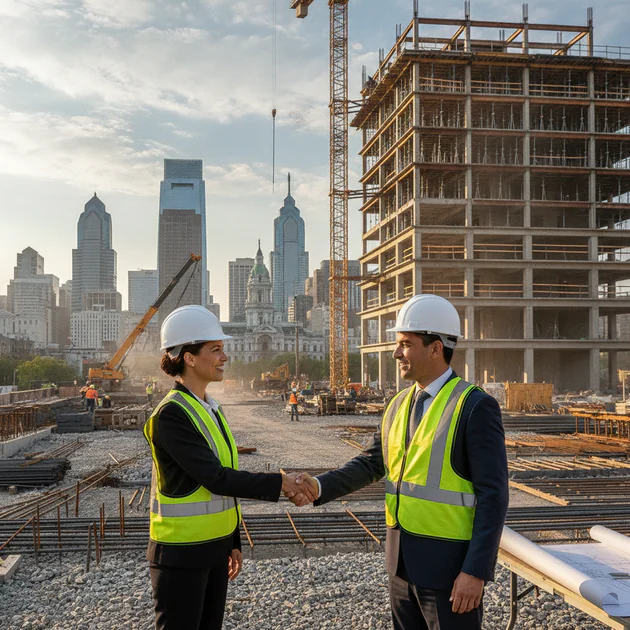
The scale of this undertaking is unprecedented. We’re not just talking about a fresh coat of paint on Independence Hall. We’re witnessing a coordinated, city-wide effort involving billions of dollars in public and private funding, all aimed at preparing Philadelphia for the international spotlight. This influx of capital is fueling a surge in Philadelphia construction projects, ranging from massive infrastructure overhauls to delicate historic restorations and the creation of vibrant new public spaces. The ambition is clear: to present a Philadelphia that honors its profound past while boldly embracing a dynamic, innovative, and inclusive future.
At Philadelphia Trade Experts, we have our finger on the pulse of the local market. We see the RFPs, we talk to the developers, and we understand the currents shaping our industry. This article serves as your comprehensive guide to the opportunities, challenges, and long-term implications of the 250th anniversary development. Whether you’re a general contractor, a specialized subcontractor, a supplier, or a skilled tradesperson, understanding this landscape is critical to positioning your business for success in the coming years.
The Scope of the Semiquincentennial: More Than Just a Celebration
To fully grasp the opportunities at hand, it’s essential to understand that the “Philly 250” initiative is a comprehensive urban strategy, not merely an event-planning committee. The goal is to leverage the anniversary as a hard deadline to complete legacy projects that will enhance the quality of life for residents and elevate the city’s global standing long after the 2026 festivities have concluded. This vision is built on several key pillars, each generating significant construction activity.
First and foremost is the focus on connectivity and accessibility. The city recognizes that a world-class celebration requires world-class infrastructure. This translates into a massive push for Philly infrastructure investment. The aim is to create a more seamless, welcoming, and efficient city for the millions of visitors expected, as well as for the daily lives of Philadelphians. This involves not only repairing what’s broken but reimagining how people move through and experience the city’s core districts.
Secondly, there’s a profound emphasis on place-making and public realm enhancement. The 250th anniversary development is heavily focused on creating and revitalizing public spaces where history, culture, and community converge. This is a core component of the city’s urban renewal strategy. Projects are designed to activate underutilized areas, create new green spaces, and improve the pedestrian experience, particularly in historic and cultural corridors. This is about ensuring that the city itself—its parks, plazas, and waterfronts—is a central part of the celebration.
Finally, the initiative is deeply tied to economic development and legacy. The investments being made are intended to catalyze further growth, attract new businesses, and support existing ones. The construction boom itself is a major economic driver, but the resulting improvements in infrastructure, hospitality, and cultural amenities are designed to have a lasting positive impact on tourism, residential growth, and the city’s overall competitiveness. This long-term vision is what makes the current wave of construction so significant; these aren’t temporary structures but foundational investments in Philadelphia’s future.
Key Sectors Driving the Philly 250 Construction Boom
The preparations for 2026 are touching nearly every corner of the construction industry. The diverse portfolio of projects creates opportunities for a wide range of specializations. Here’s a breakdown of the primary sectors experiencing a surge in activity:
1. Foundational Infrastructure Upgrades
The backbone of the city’s readiness plan is a massive investment in its core infrastructure. These are often complex, long-term projects that require significant engineering, heavy machinery, and skilled labor. Key projects include:
- The I-95 “Cap” Project (Penn’s Landing): A transformative project to build a park over a section of I-95, reconnecting the city to its Delaware River waterfront. This involves complex structural engineering, landscaping, and utility relocation, creating a new 11.5-acre civic space.
- SEPTA Modernization: Upgrades to the city’s public transit system are crucial. This includes station renovations, trolley modernization, and accessibility improvements (like adding elevators) across the network to handle increased ridership and improve the commuter experience.
- 30th Street Station District Plan: While a longer-term vision, elements of this plan to improve the area around the city’s main rail hub are being accelerated. This involves public realm improvements, better pedestrian and cyclist connections, and groundwork for future development.
- Utility and Roadway Improvements: Across the city, particularly in Center City and the historic district, significant work is underway to upgrade aging water mains, sewer lines, and electrical grids, often in coordination with street repaving and sidewalk restoration projects.
2. Historic Preservation and Adaptive Reuse
As the birthplace of the nation, Philadelphia’s historical assets are central to its identity. The 250th anniversary has provided a powerful impetus for historic preservation projects. This specialized work demands a unique skill set and a deep respect for architectural heritage.
Opportunities abound in:
- Façade Restoration: Work on iconic buildings in Old City, Society Hill, and along the Benjamin Franklin Parkway requires skilled masons, stone carvers, and window restoration experts.
- Adaptive Reuse: Transforming historic, underutilized buildings into hotels, residential units, or commercial spaces is a growing trend. These projects are complex, blending modern building codes and amenities with the need to preserve historic character.
- Museum and Cultural Site Upgrades: Institutions along the Parkway and within Independence National Historical Park are undergoing renovations to improve visitor experience, upgrade exhibits, and ensure their long-term preservation.
3. Public Spaces, Hospitality, and Cultural Venues
To accommodate and enchant millions of visitors, the city is heavily investing in its public-facing amenities. This sector is seeing a boom in both new construction and major renovations.
- FDR Park Revitalization: A comprehensive plan to transform South Philadelphia’s largest park with new trails, event spaces, and ecological restoration projects.
- Hotel Development: A number of new hotels are in the pipeline, and existing ones are undergoing significant renovations to increase capacity and upgrade their facilities ahead of the 2026 tourist influx.
- Avenue of the Arts Enhancements: Projects aimed at improving the streetscape, lighting, and performance venues along Philadelphia’s premier cultural corridor.
- Waterfront Development: Beyond the I-95 cap, other projects along both the Delaware and Schuylkill rivers are creating new parks, trails, and commercial opportunities, further activating these key city assets.
Navigating the Landscape: Opportunities and Challenges for Contractors
This construction boom presents a wealth of opportunities, but it also comes with a unique set of challenges. Success will require strategic planning, adaptability, and a deep understanding of the local environment. At Philadelphia Trade Experts, we advise our partners to be proactive in both seeking opportunities and mitigating risks.
Immense Opportunities for the Trades
The sheer diversity of Philadelphia construction projects means that nearly every trade and specialization is in high demand. Smart companies are identifying their niche and positioning themselves accordingly.
- General Contractors: Opportunities exist to lead high-profile, legacy projects that will become part of the city’s fabric. The ability to manage complex logistics, multiple subcontractors, and tight deadlines is paramount.
- Specialized Subcontractors: Demand is soaring for experts in areas like historic masonry, structural steel erection for complex infrastructure, advanced electrical systems for modern venues, and high-end finishing for hospitality projects.
- Material Suppliers: The volume of construction requires a robust and reliable supply chain. Suppliers who can guarantee timely delivery of both standard and specialized materials will become invaluable partners.
- Design and Engineering Firms: The blend of new construction and historic preservation requires innovative architectural and engineering solutions, creating a dynamic environment for design professionals.
Anticipating the Challenges
With great opportunity comes significant challenges. Navigating this competitive and fast-paced environment requires foresight.
- Labor Shortages: The most significant challenge facing the industry is the availability of skilled labor. The demand created by the Philly 250 construction wave is exacerbating a pre-existing shortage. This makes workforce recruitment and retention a top priority.
- Regulatory Hurdles: Working in a city as old as Philadelphia, especially on historic sites, involves a complex web of permits and regulations from agencies like the Historical Commission and L&I. Experienced expediters and a thorough understanding of the process are critical.
- Logistical Complexities: Many project sites are in dense, urban areas with limited laydown space and heavy traffic. Meticulous logistical planning for material deliveries, crane operations, and workforce transit is essential to keep projects on schedule.
- Supply Chain Volatility: While improving, global supply chains remain a concern. Locking in prices and delivery schedules for critical materials early in the project lifecycle is a key risk mitigation strategy.
Workforce Development: Powering Philadelphia’s Construction Future
The success of the entire 250th anniversary initiative hinges on one critical resource: a skilled and ready workforce. Recognizing this, a major focus of the urban renewal Philadelphia strategy is robust workforce development construction programs. This is not just about filling jobs for 2026; it’s about building a sustainable talent pipeline that can support the city’s construction industry for decades to come.
Multiple stakeholders, including the city, trade unions, private developers, and non-profits, are collaborating on initiatives designed to attract, train, and retain the next generation of builders. These programs are essential for ensuring that the economic benefits of the construction boom are shared by local communities.
Key components of this workforce strategy include:
- Expansion of Apprenticeship Programs: Union and non-union apprenticeship programs are ramping up recruitment, offering paid, on-the-job training in high-demand fields like electrical work, carpentry, plumbing, and ironworking. These programs provide a clear pathway to a middle-class career.
- Partnerships with Career and Technical Education (CTE) Schools: Strengthening the connection between high school CTE programs and the construction industry is vital. This involves providing updated curriculum, guest speakers from the trades, and creating clear pathways for graduates into apprenticeships or entry-level positions.
- Diversity and Inclusion Initiatives: There is a concerted effort to increase the representation of women and minorities in the construction trades. Programs are being tailored to recruit from underrepresented communities, providing the support and mentorship needed to ensure long-term success.
- Upskilling and Reskilling: For the existing workforce, there is a focus on training for new technologies and methods, such as green building techniques, Building Information Modeling (BIM), and operating advanced equipment, ensuring that Philadelphia’s workforce remains competitive.
For construction companies, actively participating in these workforce development efforts is not just a civic duty—it’s a strategic business imperative. Firms that invest in training and create a positive culture for apprentices will be the ones best positioned to attract and retain the talent needed to complete these high-profile projects.
The Lasting Legacy: Philadelphia Beyond 2026
While the 2026 deadline is the immediate driver, the true measure of success for the Philly 250 construction wave will be its lasting impact. These projects are fundamentally reshaping the city’s physical and economic landscape. The investments in infrastructure will ease commutes and attract new businesses. The revitalized parks and public spaces will enhance the quality of life for residents and draw tourists for years to come. The restored historic buildings will preserve the city’s unique character for future generations.
This period of intense development will solidify Philadelphia’s reputation as a city that can execute large-scale, complex projects. The skills honed and the workforce trained during this period will become a lasting asset, enabling the city to continue its growth trajectory. The 250th anniversary is not an end point; it is a milestone on a longer journey of urban renewal and reinvention. The construction industry is not just a contractor in this process; it is the master builder of Philadelphia’s next chapter.
Frequently Asked Questions (FAQ)
How can smaller, local contractors get involved in these large-scale 250th anniversary projects?
While large firms often win the prime contracts, there are numerous opportunities for smaller contractors. Many large projects have diversity and local participation requirements, creating subcontracting opportunities. We recommend getting certified as a Minority/Woman/Disabled-Owned Business Enterprise (M/W/DSBE) with the city. Actively network at industry events, register on the procurement portals of major general contractors, and focus on a specific niche where your company excels. Building relationships is key.
What are the key permitting or regulatory hurdles for historic preservation work in Philadelphia?
The biggest hurdle is navigating the Philadelphia Historical Commission (PHC). Any exterior work on a designated historic property requires PHC approval, which is a separate process from obtaining a standard L&I permit. This involves submitting detailed plans, material specifications, and sometimes physical mock-ups to demonstrate that the work will respect the building’s historic character. It’s crucial to engage an architect or consultant with deep experience in PHC processes early on to avoid costly delays.
Are there specific sustainability or green building requirements for Philly 250 projects?
Yes, increasingly so. Many new city-funded buildings are required to achieve a certain level of LEED certification. For major renovations and infrastructure projects, there is a strong emphasis on stormwater management, energy efficiency, and the use of sustainable materials. Contractors should be familiar with green building practices and certifications, as this expertise is becoming a significant competitive advantage when bidding on public-sector and high-profile private projects.
What role will technology like BIM and prefabrication play in these developments?
Technology is playing a crucial role in managing the complexity and tight schedules of these projects. Building Information Modeling (BIM) is being used extensively for coordination, clash detection, and planning, especially on large infrastructure and new construction projects. Prefabrication and modular construction are also being employed to speed up timelines and improve quality control, particularly for components like bathroom pods in hotels or standardized structural elements.
Conclusion: Your Role in Building Philadelphia’s Future
The road to 2026 is being paved, quite literally, by the ambition and skill of our city’s builders. The wave of Philly 250 construction is more than a series of contracts; it’s a chance to leave an indelible mark on the landscape of American history. From grand infrastructure overhauls that will redefine how Philadelphians experience their city to the delicate restoration of colonial-era landmarks that connect us to our past, the opportunities are as vast as they are significant. This is a pivotal moment for the Philadelphia construction industry—a time of challenge, growth, and unprecedented potential.
The firms and professionals who will thrive in this environment are those who are proactive, informed, and strategic. They are the ones investing in their workforce, embracing new technologies, and building the strong local partnerships needed to execute complex projects. The time to prepare is now. The time to engage is now.
Capitalize on the boom! Discover the immense opportunities within Philadelphia’s 250th anniversary construction wave. At Philadelphia Trade Experts, we are here to provide the insights and connections you need to navigate this exciting chapter in our city’s history. Let’s build the future, together.
Leave a Reply