
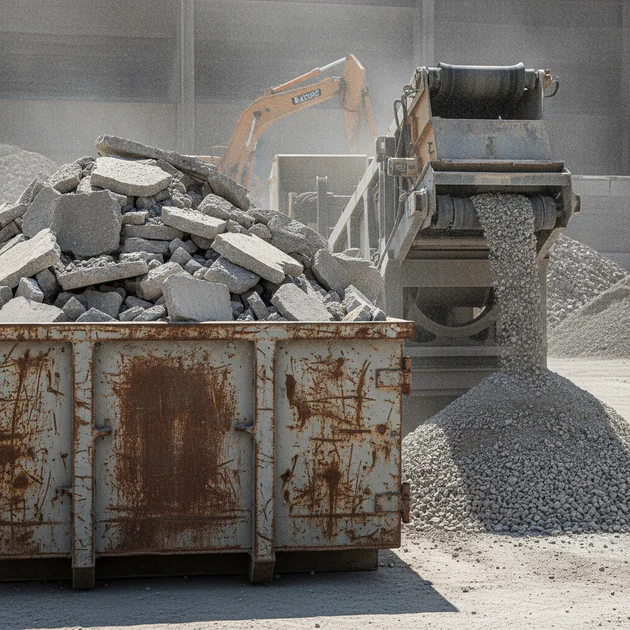
In the ever-evolving landscape of Philadelphia, the sounds of construction are a constant symphony of progress. But with every new skyscraper that graces our skyline and every revitalization project that breathes new life into our historic neighborhoods, a critical question arises: what happens to the old? For decades, the answer was simple yet unsustainable: concrete, brick, and block were hauled away to already overburdened landfills. This practice is not only costly but also carries a significant environmental price tag. The future of building in our city depends on a smarter, more responsible approach.
This is where the concept of Philly clean concrete recycling emerges as a cornerstone of modern, sustainable construction. It represents a paradigm shift from a linear “take-make-dispose” model to a circular one, where waste is transformed into a valuable resource. For forward-thinking contractors, developers, and project managers in Philadelphia, understanding and implementing clean concrete recycling is no longer a niche practice—it’s an essential strategy for enhancing profitability, meeting regulatory standards, and building a greener city for future generations.
This comprehensive guide, brought to you by the experts at Philadelphia Trade Experts, will delve into every facet of clean concrete recycling. We’ll explore why it’s becoming a necessity, define exactly what qualifies as “clean,” break down the significant economic and environmental benefits, and provide actionable advice on partnering with the right construction dumpster services Philly to streamline your waste management process. Consider this your definitive resource for mastering sustainable concrete disposal and procurement in the Philadelphia market.
Table of Contents
- Why Sustainable Construction in Philly is No Longer a Choice, But a Necessity
- What Exactly is “Philly Clean Concrete”? A Contractor’s Definition
- The Economic and Environmental ROI of Concrete Recycling in Philadelphia
- The Process: From Demolition Site to Recycled Aggregates
- Choosing the Right Construction Dumpster Services Philly for Your Concrete Waste
- Frequently Asked Questions about Philly Clean Concrete
Why Sustainable Construction in Philly is No Longer a Choice, But a Necessity
The push towards sustainable construction Philly is rapidly accelerating, driven by a confluence of regulatory pressures, client demands, and a collective recognition of our environmental responsibilities. The days of viewing green building practices as an optional add-on are over. Today, they are integral to a project’s success, from initial bidding to final occupancy. Concrete, being the most used man-made material on the planet, sits at the very center of this conversation.
Philadelphia’s own municipal goals, such as those outlined in the City of Philadelphia’s Greenworks plan, emphasize waste reduction and the promotion of a circular economy. This top-down encouragement creates a clear incentive for the construction industry to adapt. Projects seeking public funding or certain zoning variances are often required to demonstrate robust waste management and recycling plans. Failing to incorporate practices like Philly clean concrete recycling can mean losing out on lucrative contracts.
Beyond regulations, the market itself is demanding change. Environmentally-conscious clients, from large corporations to private developers, are increasingly specifying the use of sustainable materials and methods. They understand that a building’s green credentials—often certified through programs like LEED (Leadership in Energy and Environmental Design)—are a major selling point and a reflection of their corporate values. Efficient concrete waste removal Philadelphia that prioritizes recycling over landfilling is a powerful and tangible way to meet these demands.
This shift fosters a circular economy within our local construction ecosystem. Instead of extracting, using, and then burying valuable resources, we are creating a closed loop. The rubble from a demolished building becomes the foundation for a new one. This not only conserves natural resources but also strengthens the local economy by creating jobs in the recycling and processing sectors. For Philadelphia contractors, embracing this model is a strategic move that aligns with the future of the industry, ensuring long-term viability and a competitive edge.
What Exactly is “Philly Clean Concrete”? A Contractor’s Definition
The term “clean concrete” is pivotal in the world of construction recycling, yet it can be a source of confusion. Misunderstanding this definition can lead to rejected loads, unexpected fees, and project delays. For recycling purposes, Philly clean concrete refers to concrete material that is free from contaminants. It is crucial to understand that recycling facilities are not landfills; they are manufacturing plants that turn waste into a new, specified product. The quality of their final product, such as recycled aggregates, depends entirely on the quality of the input material.
So, what makes concrete “clean”? It’s more about what it *lacks* than what it contains. A load of clean concrete should consist solely of inert materials that can be crushed together without compromising the structural or chemical integrity of the final recycled product. The most critical rule is source separation. Keeping clean concrete separate from other construction and demolition (C&D) debris on-site is the first and most important step.
To ensure your loads are accepted and you get the best possible pricing, adhere to these guidelines:
- Acceptable Materials (“Clean”):
- Unpainted concrete of any size (slabs, footers, walls)
- Asphalt (often accepted at the same facilities, but must be declared)
- Brick and cinder block (check with the facility, some require separation)
- Stone and rock
- Unacceptable Contaminants (“Unclean”):
- Trash of any kind (wood, plastic, paper, insulation)
- Excessive soil or dirt
- Metals (small amounts of rebar are often acceptable, but large I-beams or mesh must be removed)
- Painted or treated concrete
- Drywall, plaster, or other C&D debris
- Hazardous materials (oils, chemicals, asbestos-containing materials)
The importance of this distinction cannot be overstated. A dumpster filled with pure, broken concrete is a valuable commodity. A dumpster with the same concrete mixed with 15% wood, plastic, and drywall is considered contaminated C&D waste. This “unclean” load will be subject to significantly higher disposal fees at a landfill or transfer station and cannot be recycled. Partnering with a knowledgeable waste management provider, like Philadelphia Trade Experts, ensures you get the right dumpster for the job and clear guidance on proper sorting to maximize your recycling potential.
The Economic and Environmental ROI of Concrete Recycling in Philadelphia
Adopting a robust recycling program for Philly clean concrete is not just an act of environmental stewardship; it’s a shrewd business decision with a clear and compelling return on investment (ROI). The benefits can be measured in both dollars saved and in the significant positive impact on our local environment and community. Let’s break down this dual ROI.
The Economic Payoff
For any construction project manager, the bottom line is paramount. Concrete recycling directly contributes to a healthier budget through several key mechanisms:
- Reduced Tipping Fees: This is the most immediate and tangible saving. Disposing of clean, source-separated concrete at a recycling facility is substantially cheaper per ton than dumping mixed C&D waste at a landfill. Landfill space is a finite and increasingly expensive commodity. By diverting heavy materials like concrete, you can slash your disposal costs dramatically.
- Lower Transportation Costs: Recycling facilities are often strategically located closer to urban centers like Philadelphia than regional landfills. Shorter haul distances mean less fuel consumption, lower trucking fees, and reduced wear and tear on vehicles, all of which contribute to project savings.
- Creation of Cost-Effective Materials: The output of concrete recycling is high-quality recycled aggregates. These materials, such as Recycled Concrete Aggregate (RCA) or #2A Modified, meet rigorous specifications for use as road base, backfill, pipe bedding, and even as a component in new concrete mixes. Purchasing these recycled materials is often more cost-effective than buying virgin quarried stone, creating a double-ended economic benefit.
- Winning More Bids: As more projects, particularly public and large-scale private developments, mandate specific recycling rates and the use of sustainable materials, having a proven concrete waste removal Philadelphia plan becomes a competitive advantage. It demonstrates your firm’s capability and commitment to modern building standards.
The Environmental Dividend
The environmental case for recycling concrete is just as strong, contributing to a healthier Philadelphia and planet.
- Landfill Preservation: Concrete is a heavy, high-volume material. Every ton that is recycled is a ton that does not consume precious landfill space. This extends the life of existing landfills and reduces the need to create new ones, preserving open space.
- Conservation of Natural Resources: Recycling concrete directly reduces the demand for virgin aggregates like gravel and crushed stone. This means less quarrying and mining, which are energy-intensive processes that disrupt natural habitats and landscapes.
- Reduced Carbon Footprint: The entire lifecycle of recycled concrete is more energy-efficient. Less energy is used in processing old concrete than in quarrying, crushing, and transporting new stone. According to the EPA, using recycled materials can significantly cut down on greenhouse gas emissions associated with construction.
- Achieving Green Building Certifications: For projects targeting certifications like LEED, recycling C&D waste is critical. Diverting concrete from landfills can earn valuable points towards certification under the Materials and Resources (MR) credit category. Using LEED building materials like recycled aggregates can earn further points, making certification more attainable. You can learn more about these credits directly from the U.S. Green Building Council (USGBC).
The Process: From Demolition Site to Recycled Aggregates
Understanding the journey of Philly clean concrete from a demolition site to its rebirth as a new construction material demystifies the process and highlights the critical role of each stakeholder. It’s a well-orchestrated sequence that transforms liability into an asset. Philadelphia Trade Experts manages the logistics, but knowing the steps empowers contractors to optimize their on-site operations for maximum efficiency and value.
Here is a step-by-step breakdown of the concrete recycling lifecycle:
- On-Site Separation and Collection: The process begins on your job site. This is the most crucial step. A dedicated dumpster, specifically designated for clean concrete, brick, and block, is positioned in a convenient location. Your crew must be trained to discard only acceptable materials into this container. Effective source separation prevents contamination and ensures the entire load is recyclable.
- Transportation: Once the dumpster is full, your chosen construction dumpster services Philly provider, like Philadelphia Trade Experts, handles the logistics. We dispatch a truck to pick up the container and transport it directly to a certified concrete recycling facility in the Philadelphia area. Our expertise ensures it goes to the right facility that can process your specific material.
- Receiving, Weighing, and Inspection: Upon arrival at the recycling facility, the truck is weighed to determine the gross tonnage. An inspector then visually examines the load to confirm it meets the “clean” criteria. Any significant contamination can result in the load being rejected or reclassified, incurring higher fees. This is why on-site diligence is so important.
- Primary Crushing and Sorting: The clean concrete is tipped onto a staging area and then fed into a primary jaw crusher. This powerful machine breaks the large slabs and chunks into more manageable, softball-sized pieces. During this stage, powerful electromagnets are used to pull out any remaining steel rebar or mesh, which is then recycled separately.
- Secondary Crushing and Screening: The material moves via conveyor belts to a secondary (or tertiary) cone or impact crusher, which reduces the pieces to specific sizes. It then passes over a series of screens—large vibrating sieves—that separate the crushed material into different grades or stockpiles of recycled aggregates based on size, such as 3/4-inch stone or #2A Modified base.
- Quality Control and Stockpiling: The final products are stockpiled and regularly tested to ensure they meet PennDOT and other engineering specifications for compaction, durability, and composition. This quality control is essential for the material to be confidently used in new construction projects.
- Redeployment as New Material: The finished recycled aggregates are now ready for sale. Trucks arrive at the facility to load up this sustainable, often more affordable, alternative to virgin stone. The material that was once a Philadelphia sidewalk or foundation is now ready to become the road base for a new highway, the backfill for a new utility trench, or a key component of new LEED building materials.
Choosing the Right Construction Dumpster Services Philly for Your Concrete Waste
The success of your Philly clean concrete recycling program hinges on selecting the right waste management partner. This decision goes far beyond simply finding the cheapest dumpster rental. You need a partner with deep local knowledge, a commitment to sustainability, and the operational expertise to handle the unique demands of heavy material hauling. An expert partner acts as a consultant, helping you optimize your waste stream, ensure compliance, and maximize your cost savings.
When vetting potential providers for your concrete waste removal Philadelphia needs, consider the following critical factors:
- Expertise in C&D Materials: Do they understand the difference between a clean concrete load and a mixed C&D load? A true expert, like Philadelphia Trade Experts, will guide you on proper separation and connect you with the correct local recycling facilities that offer the best rates for clean materials. This knowledge is invaluable.
- Appropriate Equipment: Hauling concrete is not the same as hauling light trash. Concrete is incredibly dense and heavy. Your provider must offer heavy-duty dumpsters (often 10, 20, or 30-yard containers) designed to handle the weight. They should also have a fleet of trucks capable of safely and legally transporting these heavy loads.
- Transparent and Fair Pricing: Ask potential providers how they structure their pricing for concrete. A reputable company will often offer a different, more favorable rate for a source-separated load of clean concrete compared to mixed debris. Look for transparency in tonnage caps, overage fees, and fuel surcharges.
- Reliability and Communication: Construction schedules are tight. You need a dumpster service that delivers and picks up on time, every time. Excellent communication is key. Your provider should be easily reachable and proactive in coordinating swaps to ensure your project never stalls due to a full container.
- Documentation and Reporting: For projects pursuing LEED certification or needing to comply with municipal recycling ordinances, proper documentation is non-negotiable. Your waste management partner should be able to provide detailed weight tickets and recycling reports that clearly show the tonnage of material diverted from the landfill. This paperwork is your proof of compliance and sustainability.
At Philadelphia Trade Experts, we pride ourselves on being more than just a hauling company. We are a strategic partner in your project’s success. Our team has cultivated strong relationships with all major recycling facilities in the region, ensuring your Philly clean concrete is handled responsibly and cost-effectively. As a trusted local expert, our deep market knowledge, which you can learn more about on our about us page, translates into seamless service and better outcomes for your projects.
Frequently Asked Questions about Philly Clean Concrete
What makes concrete “unclean” for recycling?
Concrete becomes “unclean” or contaminated when it’s mixed with other materials that cannot be easily separated or crushed along with it. The most common contaminants include wood, plastic, insulation, drywall, roofing materials, excessive dirt, and general trash. Painted concrete or concrete containing hazardous materials is also considered unclean. The goal is to provide the recycler with a pure stream of inert material (concrete, brick, block) to ensure the quality of the final recycled aggregate product.
Can I mix brick and block with my Philly clean concrete?
In most cases, yes. The majority of concrete recycling facilities in the Philadelphia area accept a mix of concrete, brick, and block in the same load. These materials have similar properties and can be crushed together to produce a high-quality recycled aggregate base. However, it is always a best practice to confirm with your dumpster service provider, as some specific facilities may have unique requirements. We handle this verification for our clients to ensure compliance.
How does using recycled concrete help with LEED certification?
Recycling concrete and using recycled aggregates contributes to earning points in the Materials and Resources (MR) credit category of LEED. First, by diverting concrete from the landfill through a dedicated concrete waste removal Philadelphia service, you earn points for “Construction and Demolition Waste Management.” Second, by purchasing and using recycled aggregates as a base course or in new concrete mixes, you can earn points for “Building Product Disclosure and Optimization – Sourcing of Raw Materials,” which rewards the use of products with recycled content.
What size dumpster do I need for concrete removal?
Due to the extreme weight of concrete (approx. 1.5 tons per cubic yard), smaller dumpsters are typically used. The most common sizes for a Philly clean concrete project are 10-yard or 20-yard dumpsters. While larger containers are available, road weight limits and the capacity of the truck’s hydraulic lift often restrict how much concrete can be placed in them. A 20-yard dumpster filled with concrete can easily reach the 10-12 ton legal road limit. Our team can help you calculate the right size for your specific job.
Are there cost savings associated with recycling concrete in Philadelphia?
Absolutely. The cost savings are significant and are a primary driver for the growth of concrete recycling. Tipping fees at a specialized concrete recycling facility are typically 50-70% lower than the fees at a traditional C&D landfill. When you are dealing with hundreds of tons of material, this difference adds up to thousands of dollars in savings on a single project. These savings, combined with the potential to purchase lower-cost recycled aggregates, make recycling the most economically sound choice.
Conclusion: Building a Smarter, More Sustainable Philadelphia
The path forward for the Philadelphia construction industry is clear: sustainability is not a trend, but the new standard. Embracing the principles of the circular economy, starting with the responsible management of Philly clean concrete, is a critical step on this path. It’s a strategy that pays dividends on multiple fronts—reducing project costs, conserving natural resources, meeting modern client expectations, and contributing to a healthier urban environment.
From understanding the precise definition of “clean” material to navigating the logistics of disposal and appreciating the value of the final recycled product, a successful program requires knowledge and a reliable partner. By prioritizing on-site separation and working with an expert in construction dumpster services Philly, contractors can transform a waste stream into a value stream, enhancing their reputation and their bottom line.
The future of construction in our city will be defined by those who build not just bigger, but smarter. Let Philadelphia Trade Experts be your partner in building that future. We have the local knowledge, the right equipment, and the commitment to sustainability to ensure your concrete waste is handled efficiently, responsibly, and profitably.
Ready to integrate sustainable and cost-effective concrete recycling into your next project? Learn more about our sustainable concrete recycling services and let our experts design a waste management plan that works for you.
Leave a Reply