
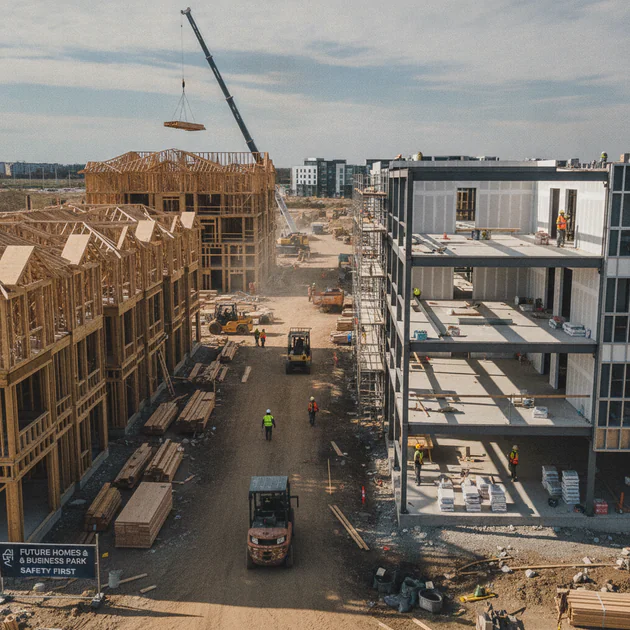
Walk through any developing neighborhood in Philadelphia, from the bustling high-rises in Center City to the revitalized blocks of Fishtown and South Philly, and you’ll hear it: the sound of progress. It’s the hum of generators, the whine of saws, and the rhythmic pop of nail guns. This symphony of construction is the heartbeat of a growing city, but a critical component of this orchestra is in dangerously short supply. The persistent, and frankly, escalating demand for skilled Philly drywall professionals is creating a significant bottleneck for projects of all sizes, and a massive opportunity for those with the right skills. This isn’t just about hanging sheets of gypsum; it’s about the precision, speed, and artistry that turns a raw frame into a finished, livable space.
For general contractors, project managers, and developers, this shortage is more than an inconvenience—it’s a direct threat to timelines and budgets. For skilled tradespeople, however, it represents a golden era. The gap between the supply of qualified drywall installers and finishers and the relentless demand from both commercial and residential sectors has made this one of the most stable and lucrative skilled trades in the Philadelphia metropolitan area. Understanding the forces driving this demand is essential for navigating the current market, whether you’re looking to hire top talent or build a rewarding career.
In this comprehensive guide, Philadelphia Trade Experts will dissect the factors fueling the high demand for Philly drywall expertise. We’ll explore the city’s construction outlook, differentiate between the needs of commercial and residential projects, and highlight the specific skills that command premium rates. This is your essential briefing on the state of the construction workforce in Philadelphia and why the craft of drywall is more critical than ever.
Table of Contents
- The Driving Forces Behind Philadelphia’s Construction Boom
- Why Drywall Skills Are the Linchpin of Modern Construction Projects
- A Deep Dive into the Philly Drywall Labor Market
- Lucrative Opportunities: Commercial vs. Residential Drywall
- Bridging the Skills Gap: Training and Upskilling for the Future
- Frequently Asked Questions About the Philly Drywall Trade
The Driving Forces Behind Philadelphia’s Construction Boom
Philadelphia is in the midst of a remarkable transformation. The skyline is constantly evolving, driven by a confluence of economic, demographic, and cultural factors. This isn’t a fleeting trend; it’s a sustained period of growth that forms the foundation of the demand for skilled labor. To understand the need for drywallers, you first have to appreciate the scale of the building happening across the city.
One of the most significant drivers is the boom in the life sciences sector. Philadelphia has solidified its reputation as a “Cellicon Valley,” attracting billions in investment for state-of-the-art laboratory and research facilities, particularly in areas like University City. These are not simple office buildings; they are highly complex structures requiring specialized construction, including precise, durable, and often fire-rated interior walls. The demand for commercial drywall Philly experts who can work within these stringent specifications is immense.
Simultaneously, the residential market continues its upward trajectory. From luxury condominium towers changing the skyline to the seemingly endless construction of multi-family apartment complexes in neighborhoods like Northern Liberties and Kensington, the need for housing is palpable. Each of these thousands of new units requires a team of skilled drywall professionals to hang, tape, and finish walls and ceilings. According to a recent report from the Pew Charitable Trusts on Philadelphia’s growth, the city’s population trends and housing needs continue to fuel new construction, ensuring a steady stream of residential projects.
Beyond new builds, the renovation and restoration market is a powerful, often underestimated, force. Philadelphia’s vast inventory of historic homes and aging commercial buildings presents a constant need for retrofitting and modernization. Old plaster walls are frequently replaced with modern drywall for efficiency, better insulation, and easier integration of new electrical and plumbing systems. This renovation wave provides a consistent, year-round source of Philly construction jobs that is less susceptible to the boom-and-bust cycles of large-scale development.
- Life Sciences & Healthcare: Massive projects in University City and the Navy Yard demand specialized commercial drywall installation.
- Multi-Family Residential: The construction of large apartment and condo buildings is a primary consumer of drywall labor.
- Urban Infill & Renovation: Restoring and updating existing properties creates a steady flow of smaller, but numerous, drywall projects.
- Hospitality & Retail: New hotels, restaurants, and retail spaces require high-quality finishing work to attract customers, putting a premium on skilled finishers.
This multi-faceted growth ensures that the demand for skilled trades is not reliant on a single sector. The Philly construction outlook is robust and diverse, creating a stable, long-term environment where skills like drywall installation and finishing are not just needed—they are mission-critical.
Why Drywall Skills Are the Linchpin of Modern Construction Projects
In the complex choreography of a construction project, every trade plays a vital role. But the drywall phase is a unique and critical transition point. It’s the moment a project transforms from a raw, skeletal frame into a series of defined, tangible spaces. The quality of the drywall work directly impacts every subsequent trade, from painters and electricians to cabinet installers and flooring specialists. A poorly executed drywall job creates a cascade of problems, delays, and added costs.
The transition from traditional lath and plaster to gypsum wallboard (drywall) revolutionized the construction industry by dramatically increasing speed and reducing labor costs. However, this efficiency has created a misconception that the trade is simple. While hanging sheets is straightforward, the true skill lies in the finishing. This is where the skilled labor Philadelphia market sees the most significant gap. A master finisher possesses a unique blend of technical knowledge and artistic touch.
Key skills that define a professional drywaller include:
- Taping and Mudding: Seamlessly blending the joints between drywall sheets is paramount. This requires a deep understanding of different types of tape (paper, mesh) and joint compounds (“mud”), as well as the skill to apply multiple coats perfectly feathered out to be invisible after painting.
- Achieving High-Level Finishes: The industry uses a scale from Level 0 to Level 5 to define the quality of a drywall finish. While Level 3 might be acceptable in a garage, high-end residential and prime commercial spaces often demand a Level 5 finish. This is the highest quality possible, involving a skim coat over the entire surface to create a perfectly flat, smooth plane that shows no imperfections, even under critical lighting. This is a rare and highly compensated skill.
- Corner and Detail Work: The precision required for perfect inside and outside corners, ceiling-to-wall joints, and work around outlets and windows separates amateurs from professionals. Using tools like corner beads and mastering the techniques to embed them flawlessly is essential.
- Texturing and Specialty Finishes: While smooth walls are common, many projects call for specific textures, from simple orange peel to complex skip trowel or knockdown finishes. Each requires a different set of tools and techniques.
The importance of this trade is magnified in commercial drywall Philly projects. These often involve complex requirements like fire-rated assemblies (using Type X drywall and specific fastening patterns), soundproofing (using resilient channels, mass-loaded vinyl, and double-layering), and moisture/mold resistance in specific environments. A mistake in these applications isn’t just a cosmetic issue; it can be a code violation with serious safety and legal implications. Therefore, contractors on major projects are actively seeking workers with proven experience and certifications in these specialized areas.
A Deep Dive into the Philly Drywall Labor Market
The high demand for Philly drywall skills is a classic economic story of supply and demand—and right now, demand is far outstripping supply. Several converging factors have created a perfect storm, leading to a significant shortage of qualified professionals and, consequently, rising labor costs and project delays. This is a core challenge for the entire construction workforce Philadelphia faces.
A primary contributor is the aging of the existing workforce. Many of the most experienced drywall finishers, who honed their craft over decades, are now retiring. For years, there was a societal push away from the skilled trades in favor of four-year college degrees, leading to a “missing generation” of new entrants. The pipeline of young, trained talent has not been sufficient to replace the wave of retirees, creating a vacuum of expertise.
This skills gap is exacerbated by the physical demands of the job. Drywall installation is labor-intensive, requiring heavy lifting, repetitive motions, and working in dusty environments. While it offers a rewarding career, it’s a challenging one that requires physical fitness and resilience. The industry is now working to improve perceptions and attract a new generation by highlighting the high earning potential and the satisfaction of building tangible assets for the community.
Factors contributing to the current labor shortage:
- Aging Workforce: A significant percentage of master-level finishers are at or near retirement age.
- Recruitment Challenges: A historical lack of emphasis on trade careers has shrunk the pool of new apprentices.
- The Skill Cliff: It’s relatively easy to find workers who can hang drywall sheets, but incredibly difficult to find those who can execute a flawless Level 4 or Level 5 finish.
- Increased Project Complexity: Modern building codes and architectural designs demand more specialized skills than ever before, from perfect soundproofing to intricate ceiling designs.
This imbalance has a direct impact on drywall contractor rates Philly. Basic economic principles dictate that when a skill is scarce and in high demand, its price goes up. Skilled, reliable drywall crews can now command premium wages and have their pick of projects. For contractors, this means budgeting more for labor and often waiting longer to secure a quality team. For individual tradespeople, it means unprecedented earning potential and job security. The U.S. Bureau of Labor Statistics projects stable employment for drywall installers nationally, but in high-growth markets like Philadelphia, the outlook is even stronger.
Lucrative Opportunities: Commercial vs. Residential Drywall
While both sectors are hungry for talent, the world of commercial drywall presents a different set of challenges and opportunities compared to its residential counterpart. A skilled professional can thrive in either, but understanding the distinctions is key to career planning and for contractors looking to source the right talent for their projects.
The World of Commercial Drywall Philly
Commercial projects—office buildings, hospitals, schools, retail centers—are defined by scale, speed, and specification. The work is often highly structured and subject to rigorous building codes and inspections. Key characteristics include:
- Metal Stud Framing: Unlike the wood frames of most homes, commercial interiors are typically built with light-gauge steel studs. Drywallers in this space must be proficient at working with metal framing.
- Strict Code Compliance: Commercial spaces have stringent requirements for fire resistance and sound transmission. Workers must be knowledgeable about Type X and Type C drywall, fire-taping procedures, and Sound Transmission Class (STC) ratings for wall assemblies.
- Scale and Repetition: A commercial job might involve hanging thousands of sheets of drywall in long, straight corridors or large open-plan offices. Efficiency and consistency are paramount.
- Higher Earning Potential: Due to the specialized knowledge, certifications, and union presence on many large projects, the pay scale for skilled commercial drywallers is often higher.
The demand for skilled trades hiring Philly is particularly acute in the commercial sector, where the cost of delays is magnified. A two-week delay on a single-family home is an inconvenience; a two-week delay on a 30-story office tower can cost millions.
The Nuances of Residential Drywall
Residential work, encompassing everything from new custom homes to small bathroom renovations, is about precision and finish quality on a more intimate scale. While the basic skills overlap, the focus is different:
-
- High-Quality Finishes: Homeowners are discerning. The quality of the finish is under constant scrutiny in residential settings. The demand for a flawless, Level 5 smooth finish is much more common in high-end residential projects.
– Adaptability and Problem-Solving: Renovation work, in particular, requires the ability to blend new drywall with old, often imperfect, plaster or existing drywall. This can be more challenging than working in a new, perfectly framed commercial space.
- Customer Interaction: Independent residential contractors often work directly with homeowners, requiring good communication and customer service skills.
- Variety of Work: A residential specialist might work on a small patch one day and a full custom home the next, offering a great deal of variety.
Both avenues offer a path to a successful career. Many professionals start in residential to master the core finishing skills before moving into the more specialized and structured world of commercial work. Others build a thriving business as independent contractors serving the robust residential renovation market.
Bridging the Skills Gap: Training and Upskilling for the Future
Addressing the shortage of skilled Philly drywall professionals requires a concerted effort from the entire industry. For contractors, it means investing in their workforce. For individuals, it means committing to continuous learning and skill development. Simply having “on-the-job experience” is no longer enough to command top dollar; formal training and the mastery of advanced techniques are what set the elite apart.
The path to becoming a top-tier drywall professional can take several forms:
- Apprenticeship Programs: Union and non-union apprenticeship programs offer the most structured path. They combine paid on-the-job training with classroom instruction, covering everything from safety and blueprint reading to advanced finishing techniques and code compliance. These programs are vital for building the next generation of the construction workforce Philadelphia depends on.
- Vocational Schools: Technical high schools and post-secondary vocational programs provide foundational skills, giving students a significant head start before they even enter the workforce.
- Manufacturer Certifications: Companies that produce drywall, joint compounds, and related materials often offer certification programs for their products, particularly for specialized systems like fire-rated or acoustic assemblies.
For those already in the trade, upskilling is the key to increasing earning potential. Instead of just being a “hanger” or a “taper,” focus on mastering the skills that are in the highest demand:
Areas for Professional Development:
- Mastering Level 5 Finishes: This is arguably the most valuable skill a finisher can possess. It requires patience, precision, and a deep understanding of materials.
- Acoustic and Soundproofing Installation: As density increases in urban areas, demand for effective sound control in multi-family and commercial buildings is soaring.
- Specialty and Decorative Finishes: Learning techniques beyond basic smooth or textured walls, such as Venetian plaster or custom trowel finishes, can open up niche, high-margin markets.
- Efficiency Tools and Technology: Embracing tools like automatic tapers (bazookas), banjo tapers, and drywall sanders with vacuum attachments can dramatically increase speed and quality while reducing physical strain.
At Philadelphia Trade Experts, we believe in connecting skilled workers with the best opportunities. If you’re a contractor struggling to find talent or a tradesperson looking to advance your career, exploring our resources on skilled trades hiring in Philly can provide valuable insights and connections.
Frequently Asked Questions About the Philly Drywall Trade
What is the average salary for a drywall installer in Philadelphia?
While exact figures vary based on experience, union status, and whether one is working in the residential or commercial sector, the earning potential is strong. According to industry data and job postings, an experienced drywall finisher in the Philadelphia area can expect to earn between $55,000 and $85,000 per year. Top-tier professionals, especially those who run their own crews or specialize in high-demand skills like Level 5 finishing, can earn significantly more. The strong demand for Philly drywall experts has steadily pushed wages upward.
Are there enough Philly construction jobs for drywall finishers?
Absolutely. The current market is heavily weighted in favor of the skilled worker. There are far more available positions for experienced drywall installers and finishers than there are qualified candidates to fill them. This applies to both large-scale commercial projects and the constant stream of residential work. This high demand provides exceptional job security and gives skilled tradespeople significant leverage in negotiating wages and choosing projects.
What skills are most in-demand for commercial drywall projects?
For commercial drywall Philly projects, the most sought-after skills go beyond basic finishing. Contractors are looking for professionals with experience in: 1) Metal stud framing. 2) Installation of fire-rated wall assemblies (Type X drywall, fire-taping). 3) Acoustic and soundproofing systems, including resilient channels and double-layered walls. 4) The ability to read and interpret blueprints and specifications accurately. 5) Safety certifications, such as an OSHA 10 or OSHA 30 card, are also highly valued.
How is technology changing the drywall trade?
Technology is making the trade more efficient and less physically taxing. Automatic taping and finishing tools (ATFs) like bazookas, flat boxes, and angle heads allow professionals to work much faster and with greater consistency than by hand alone. Sanders with built-in vacuum systems drastically reduce airborne dust, creating a healthier work environment. Additionally, project management software and mobile apps are improving communication and scheduling on job sites, helping crews work more effectively.
Conclusion: A Craft in High Demand
The construction landscape in Philadelphia is dynamic and expanding, but this growth is fundamentally dependent on the availability of a skilled workforce. Right now, no trade feels this pressure more acutely than drywall. The persistent demand for proficient Philly drywall installers and finishers across both commercial and residential sectors has created a clear and compelling opportunity. This is not just a job; it’s a valuable, in-demand career path with significant earning potential and long-term stability.
The convergence of a construction boom, an aging workforce, and the increasing complexity of building standards has elevated the role of the drywall professional from a simple laborer to a critical artisan. For project managers and developers, securing a reliable, high-quality drywall crew is a top priority for keeping projects on schedule and on budget. For individuals with the skill, dedication, and willingness to master the craft, the future is incredibly bright. The ability to transform a raw structure into a beautifully finished space is a skill that will always be essential.
Are you ready to see firsthand why these skills are so critical to the city’s growth? Contact Philadelphia Trade Experts today to learn more about the opportunities in the local construction market. See why drywall skills are in high demand in Philadelphia and how you can leverage this trend for your business or career.
Leave a Reply