
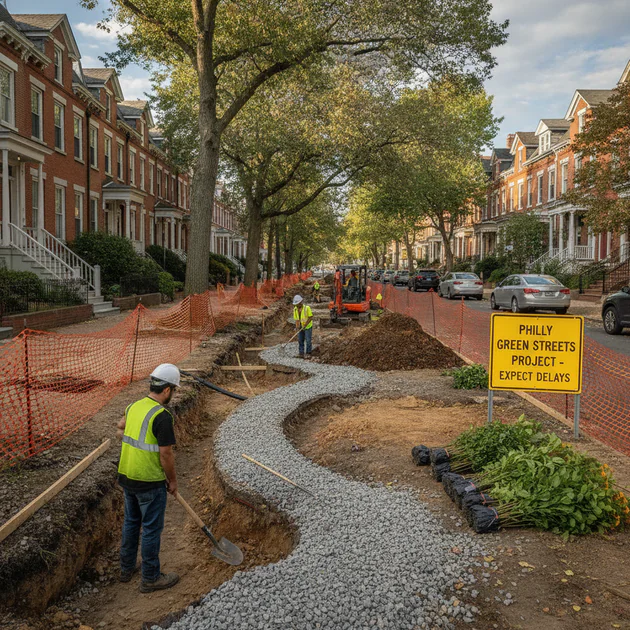
As the Philadelphia construction landscape continues to evolve, Spring 2026 is shaping up to be a landmark season, particularly for contractors specializing in civil and environmental projects. The Philadelphia Water Department (PWD) is set to unleash a significant wave of green stormwater infrastructure initiatives, with a concentrated focus on District 7. For firms looking to secure meaningful, long-term contracts, understanding the nuances of the upcoming PWD D7 GSI projects is not just an advantage—it’s a necessity. This initiative represents a critical phase in the city’s ambitious Green City, Clean Waters plan, translating environmental mandates into tangible, on-the-ground construction opportunities.
The scale of this undertaking presents a golden opportunity for prepared contractors. These are not standard infrastructure jobs; they require a specific skill set, an understanding of environmental engineering principles, and the ability to navigate the complexities of PWD’s procurement process. From specialized excavation for bioretention basins to the precise installation of permeable pavers, the demand for expert GSI contractors in Philadelphia is reaching an all-time high. This comprehensive guide from Philadelphia Trade Experts will serve as your strategic roadmap, breaking down the project scopes, district-specific challenges, and bidding strategies you need to know to capitalize on the Spring 2026 PWD D7 GSI rollout.
Table of Contents
- Understanding the “Green City, Clean Waters” Mandate Driving PWD D7 GSI
- A Deep Dive into PWD District 7: Boundaries, Challenges, and Opportunities
- Key PWD D7 GSI Project Types to Expect in Spring 2026
- Navigating the PWD District 7 Construction Bids and Contract Process
- The Future of Green Stormwater Infrastructure in Philly: Beyond 2026
- Frequently Asked Questions about PWD D7 GSI Projects
Understanding the “Green City, Clean Waters” Mandate Driving PWD D7 GSI
To fully grasp the significance of the upcoming projects, it’s essential to understand the policy driving them. The “Green City, Clean Waters” plan is Philadelphia’s nationally recognized, 25-year blueprint for improving the health of the city’s waterways. Launched in 2011, its primary goal is to reduce the volume of stormwater entering the combined sewer system, thereby minimizing Combined Sewer Overflows (CSOs) into the Delaware and Schuylkill Rivers. This is where green stormwater infrastructure Philly contractors come in.
Instead of relying solely on traditional “gray” infrastructure—massive, expensive underground tunnels and storage tanks—PWD has committed to a greener, more sustainable approach. GSI utilizes natural systems and engineered landscapes to manage stormwater where it falls. This method involves capturing, filtering, and infiltrating rainwater back into the ground, rather than letting it run off hard surfaces, pick up pollutants, and overwhelm the sewer system. The upcoming PWD D7 GSI work is a direct implementation of this visionary plan.
The benefits of this approach are multi-faceted and extend far beyond regulatory compliance:
- Environmental Impact: GSI directly improves water quality, recharges groundwater, reduces urban heat island effect, and creates habitats for local wildlife.
- Economic Value: GSI projects often have a lower capital cost than large-scale gray infrastructure. They also create a consistent pipeline of local, specialized construction jobs and can increase property values in revitalized areas.
- Community Enhancement: These urban greening initiatives transform concrete-heavy neighborhoods into more attractive, livable spaces with parks, green streets, and tree-lined sidewalks.
For contractors, this means the work is not just about moving dirt and laying pipe. It’s about building sustainable, resilient infrastructure that contributes to the city’s long-term health. Understanding this context is crucial when preparing bids, as it demonstrates to PWD that your firm is aligned with the core mission of the Philly stormwater management program. For a more in-depth look at the plan, you can visit the official PWD Green City, Clean Waters page.
A Deep Dive into PWD District 7: Boundaries, Challenges, and Opportunities
The strategic focus on District 7 for the Spring 2026 GSI rollout is no accident. Understanding the unique characteristics of this area is key to developing a winning bid strategy. The PWD District 7 boundaries encompass a diverse and densely populated swath of the city, including neighborhoods like Kensington, Harrowgate, Port Richmond, and parts of North Philadelphia. This region presents a specific set of stormwater management challenges that make it a prime candidate for intensive GSI implementation.
Key challenges in District 7 include:
-
- High Impervious Coverage: The district is characterized by a high percentage of non-porous surfaces like rooftops, streets, and parking lots. This leads to massive volumes of rapid runoff during rain events.
- Aging Infrastructure: Much of the underlying sewer system is decades, if not a century, old. It lacks the capacity to handle the demands of a modern, paved-over urban environment.
* Topographical Constraints: Certain areas within the district have topographical features that concentrate stormwater flow, exacerbating local flooding and strain on the sewer system.
- Environmental Justice Concerns: Many neighborhoods in District 7 have historically had less green space, making them priority areas for the community and environmental benefits that GSI provides.
These challenges, however, translate directly into opportunities for skilled contractors. The high density of impervious surfaces means there is a vast scope for projects like permeable pavement installation and subsurface infiltration trenches. The need for community-focused greening creates a demand for well-executed rain gardens and tree trenches. PWD’s investment in this district signals a long-term commitment, suggesting that the Spring 2026 projects are just the beginning of a multi-year pipeline of work. Firms that establish a strong track record here will be well-positioned for future Philadelphia GSI projects.

Key PWD D7 GSI Project Types to Expect in Spring 2026
The PWD D7 GSI initiative will not be a one-size-fits-all endeavor. A variety of GSI tools will be deployed, each requiring specific expertise, equipment, and materials. Contractors should familiarize themselves with the most common project types to assess their capabilities and prepare their teams. Here’s a breakdown of what to expect:
- Tree Trenches: More than just planting a tree, these are engineered systems. Work typically involves sidewalk demolition, excavation, installation of a structural soil mix or suspended pavement system, planting of climate-appropriate trees, and installation of associated inlets and trench drains. They are highly effective at capturing street runoff.
- Rain Gardens (Bioretention Systems): These are landscaped depressions designed to collect and filter stormwater. Construction involves precise excavation, installation of an underdrain system (if required), placement of specialized soil and stone media layers, and planting with water-tolerant native vegetation. Careful grading and curb cut installation are critical for success.
- Permeable Pavement: A major category for the upcoming bids. This involves replacing traditional asphalt or concrete with porous alternatives. Contractors will need experience with the sub-base preparation, which is crucial for infiltration, and the installation of materials like porous asphalt, pervious concrete, or interlocking permeable pavers. These are common in parking lots, alleys, and low-traffic streets.
- Subsurface Infiltration/Storage Trenches: These are high-impact, excavation-heavy projects. They involve installing large underground systems of stone, pipes, or proprietary storage chambers that hold massive volumes of stormwater and allow it to slowly infiltrate into the ground. This work requires significant earthmoving capabilities and expertise in utility avoidance and site restoration.
Successfully executing these drainage solutions Philadelphia requires a blend of traditional construction skills and new, green-focused techniques. Firms that can demonstrate proficiency in soil science, native plant installation, and the specific material requirements of GSI will have a significant competitive edge. For a deeper look at how your firm can prepare, explore our GSI construction consulting services.
Navigating the PWD District 7 Construction Bids and Contract Process
Securing work on the PWD D7 GSI projects requires more than just technical skill; it demands a mastery of the city’s procurement process. The competition for these high-value contracts will be fierce, and a well-prepared bid package is non-negotiable. Here’s what your firm needs to focus on to navigate the PWD District 7 construction bids.
First and foremost, all opportunities will be posted on the City of Philadelphia’s official procurement platform. Prospective bidders must be registered and familiar with the eContract Philly portal. This is the central hub for downloading bid documents, submitting questions, and ultimately, lodging your bid.
Beyond registration, successful bidders must meet several key prerequisites:
- PWD Prequalification: Contractors must be prequalified with the Water Department in the relevant work classes. This process vets your firm’s financial stability, experience, and safety record. If you’re not already prequalified, start the process immediately.
- Bonding Capacity: These are public works projects, and as such, they require performance and payment bonds. Ensure your firm has a strong relationship with a surety and adequate bonding capacity for the anticipated size of these contracts.
- Economic Opportunity Plan (EOP): Philadelphia is committed to diversity and inclusion in its contracting. Every bid must include a robust EOP, detailing your commitments to using Minority, Women, and Disabled-Owned Business Enterprises (M/W/DSBEs) as subcontractors. A strong, well-documented EOP is a critical component of a winning bid.
- Safety Record: A stellar safety record, evidenced by your Experience Modification Rate (EMR) and OSHA logs, is essential. PWD prioritizes safe work sites above all else.
When analyzing a specific bid package, pay close attention to the geotechnical reports, which detail the subsurface conditions you’ll encounter in District 7. Accurate cost estimation for specialized GSI materials, such as engineered soils and native plants, is also vital. Finally, your bid narrative should highlight your past performance on similar Philadelphia GSI projects, demonstrating a clear understanding of the unique challenges and quality standards required by PWD.
The Future of Green Stormwater Infrastructure in Philly: Beyond 2026
While the Spring 2026 push for PWD D7 GSI projects is a significant milestone, it is crucial for contractors to view it as part of a much larger, ongoing movement. This is not a one-time funding dump; it is a sustained, long-term investment strategy that will shape the Philadelphia construction market for the next decade and beyond. The “Green City, Clean Waters” plan is only halfway through its 25-year timeline, meaning there is a deep and reliable pipeline of future work.
Firms that invest in the necessary equipment, training, and expertise to excel in GSI construction will find themselves in high demand. As PWD meets its targets in District 7, the focus will shift to other districts with similar stormwater challenges. The lessons learned and technologies proven in the 2026 projects will inform the next generation of GSI design, leading to more sophisticated and integrated systems.
We can also anticipate an evolution in GSI technology. This may include the integration of smart sensors to monitor performance in real-time, the use of more advanced soil media for enhanced pollutant removal, and a greater emphasis on GSI systems that provide multiple co-benefits, such as public recreation and urban agriculture. Staying ahead of these trends is key. For more insights on what’s next, check out our analysis of Philly’s top construction trends.
By establishing your firm as a leader in the PWD D7 GSI space now, you are not just winning a contract for 2026; you are positioning your company as a go-to partner for the City of Philadelphia’s green revolution for years to come. This is a strategic investment in a resilient and profitable future.
Frequently Asked Questions about PWD D7 GSI Projects
What are the typical contract values for PWD D7 GSI projects?
Contract values can vary significantly based on scope and complexity. A single project involving a few tree trenches on one block might be in the low six figures. However, larger contracts that bundle multiple GSI installations across several city blocks or a larger area can easily range from $1 million to over $5 million. The Spring 2026 rollout is expected to include a mix of both smaller and larger bid packages to attract a wide range of qualified contractors.
How does PWD measure the success of a GSI installation?
Success is measured on several fronts. Technically, PWD assesses performance based on the system’s ability to manage a specific volume of stormwater from a design storm (e.g., the first 1.5 inches of rainfall). This is verified through inspections and sometimes post-construction monitoring. Aesthetically, success is judged by the health of the vegetation and the system’s integration into the neighborhood. Long-term success is ultimately measured by the city-wide reduction in CSOs and improvement in local water quality.
What are the biggest challenges contractors face on Philly GSI projects?
The most common challenges include: 1) Unforeseen Subsurface Conditions: Despite geotechnical reports, encountering undocumented utilities or difficult soil conditions is a frequent issue in a city as old as Philadelphia. 2) Material Sourcing: Sourcing specified engineered soils, native plants, and other GSI materials can be challenging and requires good supply chain management. 3) Community and Traffic Management: Working in dense, residential neighborhoods requires excellent communication, site management, and traffic control to minimize disruption to residents.
Are there specific certifications needed to work on PWD GSI contracts?
While PWD does not currently mandate a single specific “GSI certification,” having staff with relevant credentials can significantly strengthen your bid. Certifications like the National Green Infrastructure Certification Program (NGICP) are highly regarded and demonstrate a verifiable level of expertise. Additionally, having certified landscape professionals and staff experienced in erosion and sediment control are often key components of a successful team.
Conclusion: Seizing the Green Opportunity in District 7
The upcoming Spring 2026 launch of new PWD D7 GSI projects represents a pivotal moment for Philadelphia’s construction industry. This is more than just another round of infrastructure spending; it’s a targeted, strategic investment in a greener, more resilient future for the city. For contractors, this initiative offers a substantial pipeline of work that rewards expertise, innovation, and a commitment to quality.
From understanding the “Green City, Clean Waters” mandate to mastering the specifics of GSI project types and navigating the city’s bidding process, preparation is paramount. The firms that succeed will be those that do their homework, align their capabilities with PWD’s goals, and present a compelling, compliant, and competitive bid. The opportunities are immense for those ready to meet the challenge.
Stay ahead of the curve and get the latest updates, bid alerts, and expert analysis delivered directly to your inbox. Don’t miss out on critical information that could help you win your next contract.
Leave a Reply