
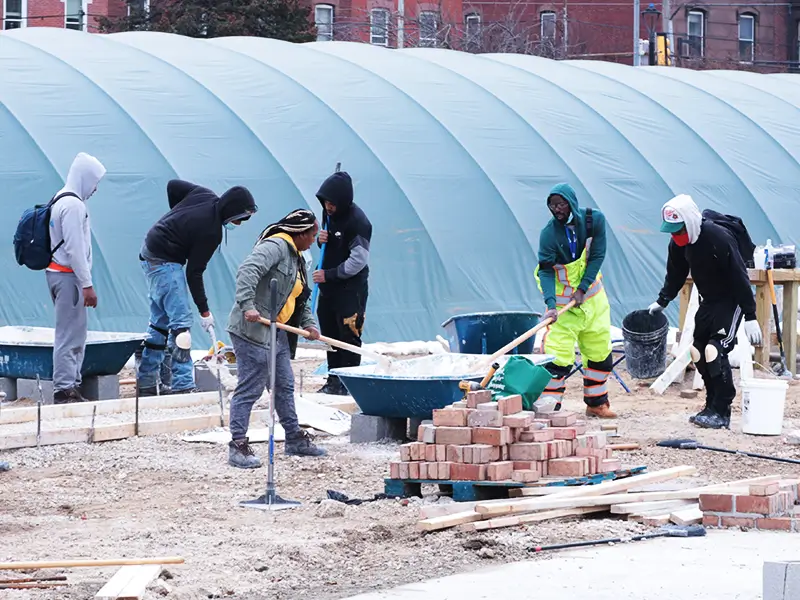
Philadelphia’s construction apprentices start at $20 per hour and can double their wages to $40 per hour within 2 to 5 years. This exceptional earning potential makes vocational training construction programs in Philadelphia attractive career paths that offer annual earnings between $50,000 to $118,000 for skilled professionals.
How Vocational Training Programs Are Shaping Philadelphia’s Construction Workforce. The city’s construction workforce continues to evolve through state-of-the-art training initiatives. Programs like Rebuild and the Preservation Trades Center create opportunities for people of color, women, and returning citizens. These initiatives provide hands-on training in carpentry, masonry, electrical work, plumbing, and ironworking.
This piece explores how Philadelphia’s vocational training programs have altered the map of the construction industry. We’ll get into the sector’s current state, core training initiatives, technological advances, and what these programs mean economically for communities and individuals alike.
The Current State of Philadelphia’s Construction Industry
Philadelphia’s construction sector has shown steady growth of 1.5% annually from 2010 to 2023. The sector now employs 121,000 people and makes up 3.2% of the city’s workforce. While this growth is promising, the industry faces several challenges that vocational training programs can help solve.
Growing demand for skilled workers
Philadelphia’s construction industry needs more than 546,000 workers to keep up with labor demands. This shortage will likely get worse in 2024. The need spans several trades. Carpenters see a 360% increase in demand, while electricians and skilled construction workers show increases of 244% and 240% respectively.
Procurement forecasts show $520 million worth of upcoming construction projects. These projects will create many opportunities for prime contractors and subcontractors in the next 18-24 months. The most needed roles are:
- Electricians and skilled masonry workers
- Heavy equipment operators
- Project managers and safety inspectors
- HVAC technicians and plumbers
- Concrete finishers and welders
Skills gap challenges
The construction industry’s skills gap has multiple aspects. The workforce is aging quickly – 20% of construction workers are 55 or older, and about 42% are 45 or older. When these experienced workers retire, they take valuable skills and expertise with them.
Black residents make up 15% less of Philadelphia’s construction workforce than expected. White and Latino/Hispanic workers dominate the industry. Many people can’t get the skills and certifications they need because they lack money, quality education, and professional training opportunities.
High school graduates now prefer IT careers over construction jobs. This happens even though construction offers competitive pay without requiring a four-year degree.
Economic impact of construction in Philadelphia
Construction workers in Philadelphia earn well. The mean annual wage was $87,700 in 2016, making it the city’s third-highest paying sector. Different trades offer solid middle-class income: carpenters earn $54,200, electricians $61,550, plumbers $61,100, and masonry workers $57,880 yearly.
Construction jobs make up just 3.2% of total employment. Yet the sector creates unique career paths and business chances that often don’t need college degrees. About 43% of these jobs are middle-skill positions available to people without bachelor’s degrees.
Construction projects boost the local economy. A project worth $27 million in construction work created $40 million in total economic benefits for Philadelphia. This supported 170 jobs and brought in $400,000 in city taxes.
Key Vocational Training Programs Transforming the Workforce
Philadelphia has built a reliable ecosystem of vocational training programs in construction that address the industry’s skills gap and create pathways for diverse participants. These programs give hands-on experience, industry credentials and direct paths to employment.
City-sponsored initiatives
Rebuild, Philadelphia’s flagship workforce development program, teaches pre-apprenticeship training in many construction trades. Students earn $15 per hour for 40 hours of weekly work that leads to union apprenticeships. The program welcomes women and people of color who live in Philadelphia, have a high school diploma or GED, and hold a valid driver’s license. The Infrastructure Solutions Team created the Construction Career Map to show students various paths into the trades.
Union-led apprenticeship programs
Building trades unions work with the Philadelphia School District to teach pre-apprenticeship skills to high school students. The program started with a pilot at Strawberry Mansion High. Students at the Laborers’ District Council Education & Training Center must complete 300 hours of classroom learning and 4,000 hours of on-the-job training. Most apprentices graduate in 4-5 years and earn between $60,000-$90,000 annually with benefits.
Private institution training opportunities
Pennsylvania Training for Technical (PTTI) teaches complete concrete and masonry skills, including blueprint reading, foundations, drainage systems and real-life applications. Women in Nontraditional Careers (WINC) runs specialized programs that help more women enter construction fields. The Free Library of Philadelphia lists no-cost construction training programs available throughout the city.
Preservation-focused training centers
The Preservation Trades Center at Eastern State Penitentiary pays trainees to learn specialized preservation trades. Students can join carpentry (six weeks), bricklaying and stone masonry (six weeks), or cement masonry and plastering (four weeks) academies. The Center for Architectural Conservation teaches architectural conservation and building technology through mutually beneficial partnerships. These programs connect returning citizens, women, and people of color with environmentally responsible careers in historic preservation.
How Technology is Revolutionizing Construction Training

Technology is changing faster than ever, transforming how vocational training construction programs in Philadelphia prepare their workers. Modern tools have turned traditional classrooms into interactive learning spaces that give students better preparation for ground construction challenges.
Virtual reality in skills development
Virtual Reality (VR) has become a revolutionary force in construction skills training. Studies show VR-trained individuals demonstrate lower risk assessments compared to traditionally trained counterparts. This immersive technology creates three-dimensional interactive experiences that let students:
- Practice dangerous scenarios safely
- Experience realistic simulations before stepping onto actual job sites
- Learn through doing rather than just observing
The most engaging forms of instruction are three times more effective than less engaging methods. Philadelphia’s Infrastructure Solutions Team recognized this potential and launched the Construction Career Map. This helps students see their path into construction trades through groundbreaking visual tools.
VR training eliminates the need for physical facilities and equipment, making it a budget-friendly alternative to traditional methods. Students at YouthBuild Philadelphia Charter School learn about state-of-the-art environments that include professional kitchens and specialized lab spaces.
Digital certification tracking
Among VR innovations, digital certification tracking systems have reshaped how construction credentials are managed. Modern tracking platforms help companies achieve 95% certification compliance rates and drive 90%+ certification renewal rates before expiration dates.
These digital systems enable workers to upload certification photos from their phones, providing quick access during inspections or audits. Philadelphia’s vocational programs now maintain near-complete compliance while ensuring graduates have all necessary credentials.
Real-time expiration notifications alert workers and managers about upcoming certification deadlines, which prevents lapses that could risk projects or violate regulations. Graduates from vocational training construction programs in Philadelphia enter the workforce with verifiable digital credentials.
The School District of Philadelphia uses these technological advances in its 43 Career and Technical Education programs across 30 high schools, with many focusing on construction and manufacturing. Students graduate with industry-recognized credentials and practical training that lines up with current technological needs.
Economic Benefits of Vocational Training in Construction
Vocational training construction Philadelphia programs create value that goes way beyond the reach and influence of individual careers. These programs spark positive changes throughout Philadelphia’s workforce, which benefits graduates, communities, and employers.
Wage growth for program graduates
The financial rewards of vocational training speak for themselves. Union construction workers start as apprentices and earn about $20 per hour. Their wages can double to around $40 per hour within 2-5 years. This growth leads to yearly earnings between $50,000 to $118,000 according to U.S. Bureau of Labor Statistics data.
Philadelphia’s construction industry offers one of the best paths to middle-class earnings without a four-year degree. Workers in the Philadelphia-Camden-Wilmington Metropolitan Statistical Area earned an average of $32.64 per hour in May 2023. This is a big deal as it means that local wages topped the national average of $31.48.
Reduced unemployment in targeted communities
Sherman McLeod, President & CEO of (PTTI), targets underrepresented communities and creates economic stability where construction opportunities were previously limited. The White House Workforce Hub Program wants to boost hiring from economically disadvantaged areas, which creates opportunities if you have employment barriers.
The construction industry needs about 240,000 workers annually. These programs help fill this massive gap.
Cost savings for construction companies
Construction companies see great returns from investing in vocational training. These programs help curb the expensive “30-year-old exiting syndrome” where experienced workers leave the industry during their prime years. This early departure costs companies valuable human capital and knowledge.
Training leads to happier employees and lower turnover costs. Philadelphia construction firms spend less on recruitment when they have access to skilled local workers. Companies that invest in apprenticeship programs usually recover their costs within 1-2 years through better quality and efficiency.
How Vocational Training Helps
So, what’s the magic behind these programs? They’re all about hands-on learning. Take the Philadelphia Technician Training Institute (PTTI), for instance. They teach skills like concrete pouring and drywall installation—stuff you can’t just pick up from a YouTube video. Graduates leave with certifications and real-world know-how, ready to hit the ground running. For construction firms, that means fewer rookie mistakes and faster timelines. Honestly, it’s a game-changer.
Conclusion
Philadelphia’s construction industry is experiencing a transformative phase. Vocational training programs are closing crucial skills gaps and creating opportunities that change lives. These programs pave the way to success, as apprentices start at $20 per hour and their wages double within 2-5 years.
The economic benefits are way beyond the reach and influence of individual success stories. Programs like Rebuild and the Preservation Trades Center help build stronger communities by creating sustainable career paths in a variety of populations. Workers are now better prepared for modern construction challenges through virtual reality and digital certification systems. This makes Philadelphia’s workforce more competitive and capable.
Looking ahead, vocational training could close the workforce gap for good. More programs are popping up, and that’s great news. But right now, construction firms need help fast. That’s where staffing agencies like Philly Trade Experts shine. We hook you up with PTTI-trained talent who are ready to roll. Got a project coming up? Reach out for a free consultation—we’ve got you covered.
Leave a Reply