
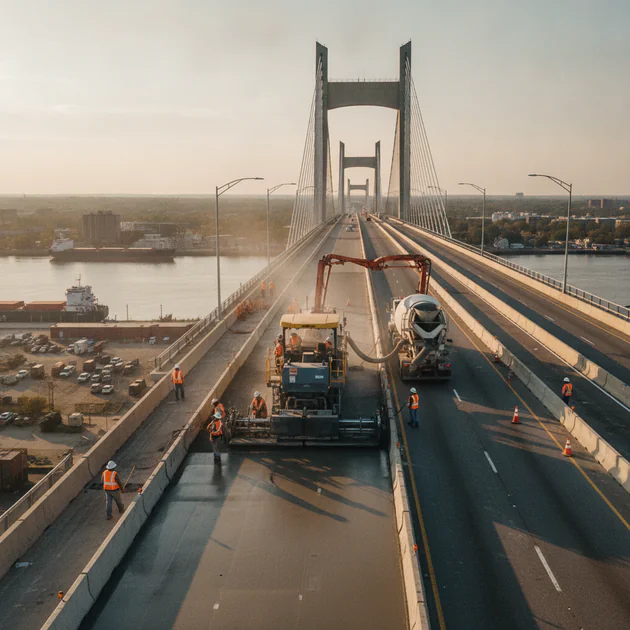
As a cornerstone of Philadelphia’s vast transportation network, the Girard Point Bridge is more than just a structure; it’s a vital economic artery, carrying hundreds of thousands of vehicles daily along the I-95 corridor. The launch of the comprehensive I-95 Girard Point Bridge rehabilitation project marks a critical investment in our city’s future. This monumental undertaking, spearheaded by the Pennsylvania Department of Transportation (PennDOT), is set to extend the bridge’s service life, enhance safety, and ensure its reliability for decades to come. For professionals in the Philadelphia construction industry, this project is not just news—it’s a focal point of regional activity, showcasing advanced techniques and creating significant opportunities.
This in-depth analysis from Philadelphia Trade Experts provides a complete overview of this landmark project. We will delve into the critical need for this rehabilitation, explore the intricate scope of work with a special focus on the major concrete overlay work, and examine the materials and methods that define modern bridge repair. Whether you are a general contractor, a specialty subcontractor, a materials supplier, or a skilled tradesperson, understanding the nuances of the I-95 Girard Point Bridge rehabilitation is essential for navigating the current landscape of Philadelphia’s construction market.
Our goal is to equip you with the detailed knowledge you need—from project timelines and logistical challenges to the broader impact on the local supply chain and labor force. This guide will serve as your essential resource for one of the most significant PennDOT bridge projects currently underway in the Commonwealth.
Table of Contents
- Project Overview: Why This Rehabilitation is Critical for Philadelphia
- The Scope of Work: A Deep Dive into the Construction Phases
- Mastering the Concrete Overlay: Techniques and Materials
- The Impact on Philadelphia’s Construction Industry and Supply Chain
- Navigating the Project: Timelines, Staging, and Traffic Management
- FAQ: Your Questions Answered on the Girard Point Bridge Project
Project Overview: Why This Rehabilitation is Critical for Philadelphia
The Girard Point Bridge, a double-decker cantilever truss bridge, has been a defining feature of the Philadelphia skyline since its completion in 1973. It represents a critical link in the I-95 corridor, connecting South Philadelphia with the Philadelphia International Airport and points south. Its immense scale—spanning over 10,000 feet in total length—and its constant use have subjected it to relentless wear and tear from traffic loads and the harsh Northeastern climate for over five decades.
Infrastructure ages, and even the most robustly engineered structures require periodic, intensive renewal. The current I-95 Girard Point Bridge rehabilitation is not a routine maintenance project; it is a strategic, multi-faceted effort to address systemic issues that have developed over time. These include deck deterioration, steel corrosion, and joint fatigue. PennDOT identified the need for this large-scale intervention to prevent more costly emergency repairs in the future and to bring the bridge up to modern engineering and safety standards. This proactive approach is central to ensuring the long-term viability of this essential piece of highway construction.
The primary objectives of this project are clear and ambitious:
- Extend Service Life: The core goal is to add several decades to the bridge’s operational lifespan, ensuring it can continue to serve the region safely and efficiently.
- Enhance Structural Integrity: Through extensive steel repairs and substructure work, the project aims to fortify the bridge’s foundational strength against future stresses.
- Improve Driving Surface and Safety: The application of a new concrete overlay will create a smoother, more durable driving surface, reducing wear on vehicles and improving safety by eliminating potholes and delamination.
- Minimize Future Maintenance: By utilizing advanced materials and techniques, PennDOT aims to reduce the frequency and cost of future maintenance interventions, providing better value for taxpayer dollars.
This project is a key component of PennDOT’s broader initiative to reconstruct and improve the entire I-95 corridor through Philadelphia. It stands as a testament to the ongoing commitment to modernizing the region’s infrastructure, making it a focal point for the entire Philadelphia bridge construction community.
The Scope of Work: A Deep Dive into the Construction Phases
The I-95 Girard Point Bridge rehabilitation is a complex symphony of coordinated construction activities. The project’s scope is extensive, touching nearly every major component of the bridge’s structure. Understanding these distinct phases is crucial for appreciating the project’s complexity and identifying potential areas of opportunity for specialized trades and suppliers.
The work can be broadly categorized into several key areas, each requiring specific expertise and materials. While the concrete overlay is a headline item, it is supported by a host of equally critical structural repairs.
The major phases of the rehabilitation include:
- Bridge Deck Rehabilitation: This is arguably the most visible and impactful part of the project. It involves removing the existing, deteriorated top layer of the concrete deck and replacing it with a high-performance concrete overlay. This phase includes meticulous surface preparation, localized full-depth deck repairs, and the precise application of the new overlay material.
- Structural Steel and Truss Repairs: The bridge’s iconic steel truss system requires significant attention. Crews are tasked with identifying and repairing areas of corrosion and fatigue. This involves strengthening connections, replacing damaged steel members, and applying advanced protective coating systems to prevent future corrosion.
- Expansion Joint Replacement: Expansion joints are critical for allowing the bridge to expand and contract with temperature changes. Over decades, these joints wear out. This project includes the complete replacement of numerous expansion joints with modern, more durable systems that can better accommodate movement and provide a smoother transition for vehicles.
- Substructure Repairs: The work isn’t limited to the superstructure. The concrete piers and abutments that support the bridge are also being inspected and repaired. This may involve concrete spall repair, crack injection, and the application of protective sealants to shield the substructure from water and de-icing salt intrusion.
- Drainage System Upgrades: An effective drainage system is vital for protecting a bridge’s structural components from water damage. The rehabilitation includes cleaning, repairing, and upgrading the scuppers and drainage pipes to ensure water is efficiently channeled away from the deck and steel.
Each of these phases presents unique logistical challenges, particularly given the necessity of keeping the bridge operational. Much of the work is performed during off-peak hours and weekends, requiring precise scheduling and coordination among multiple crews to minimize disruption to the 150,000+ vehicles that cross the bridge daily.
Mastering the Concrete Overlay: Techniques and Materials
At the heart of the I-95 Girard Point Bridge rehabilitation is the extensive concrete overlay work. This process is far more sophisticated than simply pouring a new layer of concrete. It is a highly technical engineering solution designed to restore the integrity of the bridge deck, seal it from corrosive elements, and provide a long-lasting, skid-resistant driving surface. For construction professionals, understanding the specifics of this process is key.
A concrete overlay is a layer of specialized, high-performance concrete applied over an existing, prepared concrete deck. Its primary function is to restore structural capacity lost to wear and to create an impermeable barrier against water and chlorides from de-icing salts, which are the primary enemies of the steel reinforcement within the deck.
The successful application of a concrete overlay on a project of this scale follows a rigorous, multi-step process:
- Surface Preparation: This is the most critical step. The bond between the new overlay and the old deck is paramount to the system’s success. The process typically begins with scarification or milling to remove the top layer of contaminated or deteriorated concrete. This is often followed by hydrodemolition or shotblasting to create a rough, clean, and sound substrate for the new overlay to adhere to.
- Deck Repair: After the surface is prepared, engineers conduct a detailed inspection to identify any areas of deep deterioration or delamination. These sections are saw-cut and removed, and the exposed rebar is cleaned or replaced before a full-depth patch is poured.
- Mixing and Placement: The overlay material itself is a specialized mix. While specs vary, PennDOT bridge projects often utilize advanced materials like Latex-Modified Concrete (LMC) or Microsilica Fume Concrete. These mixes offer superior bond strength, low permeability, and high resistance to cracking. The concrete is placed using specialized paving equipment to ensure a consistent thickness and is carefully finished by skilled concrete finishers. For more information on advanced concrete mixes, our team at Philadelphia Trade Experts can provide tailored insights on sourcing the right materials for your project.
- Curing: Proper curing is non-negotiable for achieving the desired strength and durability. This step involves protecting the freshly placed overlay from moisture loss and extreme temperatures. Methods typically include applying a curing compound and/or covering the surface with wet burlap or polyethylene sheeting for a specified period, often up to 7 days.
The challenges in this process are immense. Contractors must contend with tight work windows, often overnight, to minimize traffic impact. Weather conditions can wreak havoc on pouring and curing schedules. Achieving a perfect bond and preventing premature cracking requires an exceptionally high level of quality control. For a deeper technical dive, authoritative resources like the American Concrete Institute (ACI) provide extensive guidelines on bridge deck overlays.
The Impact on Philadelphia’s Construction Industry and Supply Chain
A project of the magnitude of the I-95 Girard Point Bridge rehabilitation sends ripples throughout the entire regional construction ecosystem. It’s a significant economic driver, creating a cascade of opportunities and challenges for local businesses, suppliers, and the workforce. The project’s demands are shaping the market, from material sourcing to labor allocation.
Opportunities for Contractors and Subcontractors: The prime contractor oversees the project, but a vast network of subcontractors is essential for its execution. This creates significant opportunities for firms specializing in:
- Structural steel erection and repair
- Concrete demolition and surface preparation
- Specialty concrete placement and finishing
- Expansion joint installation
- Traffic control services
- Painting and industrial coating
- Heavy equipment rental and operation
Demand for Skilled Labor: The technical nature of the work requires a highly skilled workforce. There is a heightened demand for certified welders, ironworkers, concrete finishers, and heavy equipment operators. This project underscores the importance of workforce development and apprenticeship programs in sustaining the region’s capacity to handle complex highway construction projects. It provides stable, long-term employment for hundreds of tradespeople.
Supply Chain and Logistics: The material requirements for the Girard Point Bridge are staggering. The project demands a reliable and continuous supply of high-performance concrete, structural steel, rebar, protective coatings, and countless other construction materials. This puts a premium on local and regional suppliers who can meet stringent PennDOT specifications and deliver on a tight schedule. The logistics of delivering these materials to a constrained urban job site, often during overnight hours, is a complex challenge that requires meticulous planning and coordination. Suppliers who can demonstrate reliability and quality control are well-positioned to benefit.
For a broader perspective on how projects like this fit into the city’s development, explore our analysis of current Philadelphia infrastructure trends. The Girard Point Bridge project is not an isolated event but part of a larger, sustained investment in the region’s future, setting a high bar for quality and performance in Philadelphia bridge construction.
Navigating the Project: Timelines, Staging, and Traffic Management
For any professional operating in or around Philadelphia, the practical implications of the I-95 Girard Point Bridge rehabilitation—namely, its timeline and impact on traffic—are of paramount concern. PennDOT, in collaboration with the primary contractor, has developed a complex multi-year plan designed to complete the work efficiently while mitigating the inevitable disruption to one of the nation’s busiest highways.
Project Timeline: This is a long-term project, not a short-term fix. While specific dates are subject to change due to weather or unforeseen circumstances, the overall rehabilitation is scheduled to occur in distinct phases over several years. The project officially commenced with preparatory work and is expected to reach substantial completion in the coming years. Key milestones are tied to the completion of specific sections of the bridge, such as the northbound or southbound decks, allowing for the gradual shifting of traffic patterns.
Staging and Traffic Control: The project’s success hinges on a sophisticated traffic management plan. The primary strategy is to maintain a maximum number of open travel lanes during peak daytime hours. The most disruptive work, such as concrete pours and steel erection over active lanes, is meticulously scheduled for overnight and weekend periods. This involves:
- Long-Term Lane Shifts: Traffic is often shifted onto one side of the bridge (e.g., all traffic on the northbound structure) while the other side is actively under construction. This is facilitated by the use of temporary concrete barriers.
- Overnight Lane Closures: Single or multiple lane closures are common during weeknights to allow for material deliveries, equipment setup, and work that requires a larger safety buffer.
- Full Weekend Closures: For major operations like large concrete pours or the installation of new expansion joints, full directional closures of I-95 may be required over a weekend. These are advertised well in advance to allow motorists to plan alternate routes.
- Ramp Closures: Access ramps leading to and from the bridge may be closed intermittently or for extended periods to accommodate construction on the approach roadways.
Staying informed is crucial for anyone whose business relies on transport through this corridor. PennDOT provides regular updates on closures and traffic patterns. For the most current, real-time information, it is essential to consult the official PennDOT District 6 project websites and traffic advisories. Planning material deliveries and employee commutes around this schedule can save significant time and resources.
FAQ: Your Questions Answered on the Girard Point Bridge Project
What is the main goal of the I-95 Girard Point Bridge rehabilitation?
The primary goal is to significantly extend the service life of the bridge for another 30-40 years. This is achieved by addressing decades of wear and tear through comprehensive repairs to the steel structure, replacing the deteriorated driving surface with a durable concrete overlay, upgrading expansion joints, and improving the drainage system. Ultimately, the project ensures the bridge remains a safe, reliable, and integral part of the I-95 corridor for future generations.
Why is the concrete overlay work so important for this project?
The concrete overlay work is critical for two main reasons. First, it restores the structural integrity and smoothness of the driving surface, improving safety and ride quality. Second, and more importantly, the high-performance overlay acts as an impermeable protective barrier. It seals the underlying concrete deck and its steel reinforcement from water and de-icing salts, which are the primary causes of corrosion and long-term deterioration. This single element is vital for maximizing the longevity of the entire rehabilitation effort.
How long is the entire rehabilitation project expected to take?
Large-scale infrastructure projects like this are multi-year endeavors. The full I-95 Girard Point Bridge rehabilitation is phased over several construction seasons to manage logistics, funding, and traffic impacts. While a precise end date can be fluid, the project is planned to span multiple years from its start to final completion. Stakeholders should anticipate ongoing construction activity and associated traffic patterns for the foreseeable future.
What are the biggest challenges for contractors working on this bridge?
Contractors face a multitude of challenges. The most significant is performing complex, heavy construction work while maintaining a high volume of live traffic. This requires meticulous safety protocols and logistical planning. Other major challenges include working within tight, overnight time windows; managing the curing of concrete in variable weather conditions; ensuring a perfect bond between new and old materials; and coordinating the delivery of massive quantities of materials to a congested urban worksite.
Conclusion: A Landmark Project Shaping Philadelphia’s Future
The I-95 Girard Point Bridge rehabilitation is more than just a construction project; it is a critical, forward-looking investment in the economic vitality and resilience of the entire Philadelphia region. The complexity of the work, particularly the advanced concrete overlay work and structural steel repairs, highlights the incredible skill and innovation present in our local construction industry. This project serves as a powerful case study in modern infrastructure renewal, balancing the demands of large-scale repair with the absolute necessity of keeping a city moving.
For industry professionals, this rehabilitation offers a wealth of opportunities, from direct contract work to supplying the essential materials and skilled labor that bring the engineering plans to life. It sets new standards for Philadelphia bridge construction and reinforces the importance of long-term infrastructure planning. As this landmark project progresses, its impact will be felt not only in a smoother, safer commute but also in the continued strength and growth of our local construction economy.
The I-95 Girard Point Bridge rehabilitation is a dynamic, evolving project. To stay ahead of the curve with the latest developments, expert analysis, and insights into other major regional projects, we invite you to stay connected with Philadelphia Trade Experts. Subscribe to our newsletter for critical updates delivered directly to you.
Leave a Reply