
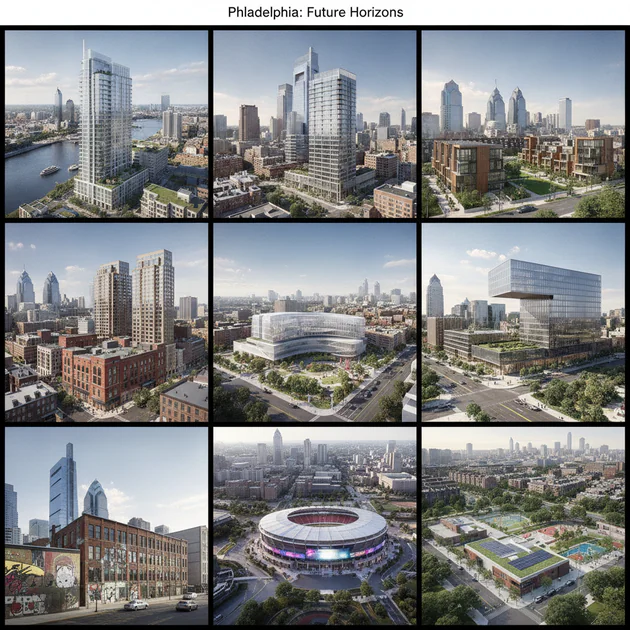
Philadelphia’s skyline is a living document, constantly being revised and rewritten by the forces of innovation, investment, and ambition. For those of us in the construction and trades industries, this evolution represents a significant opportunity. As we look toward 2026, a year poised to be monumental for the city with the nation’s Semi quincentennial celebration, the pace of change is accelerating. This guide offers an essential deep dive into the current state of Philly dev, highlighting the critical projects that are not just altering our physical landscape but also redefining the economic and social fabric of the region. Understanding this pipeline is crucial for any professional looking to thrive in the coming years.
The current wave of Philadelphia urban development is characterized by a strategic shift towards future-proof industries, most notably life sciences, alongside a continued demand for modern residential spaces and transformative public infrastructure. The post-pandemic world has reshaped priorities, and Philadelphia is responding with a robust pipeline of projects that cater to new ways of living, working, and discovering. From the bustling labs of University City to the revitalized Delaware River waterfront, the activity is palpable.
This comprehensive overview is designed for the industry insider. We’ll move beyond the headlines to analyze the trends, challenges, and opportunities embedded within the Philly construction pipeline. Whether you’re a general contractor, a specialized subcontractor, or a project manager, the insights here will help you navigate the dynamic Philly real estate forecast and position your business for success. Let’s explore the 18 projects that will be the talk of the town in 2026.
Table of Contents
- The Shifting Landscape of Philadelphia Urban Development
- Life Sciences & Meds: The New Bedrock of Philly Dev
- Residential Reinvention: From High-Rises to Neighborhood Infill
- Infrastructure & Public Works: The Foundation for Future Growth
- Commercial & Mixed-Use: Redefining How Philadelphians Work and Play
- Navigating the 2026 Philly Construction Pipeline: Opportunities & Challenges
- Frequently Asked Questions about Philly Dev
The Shifting Landscape of Philadelphia Urban Development
To understand the specific projects taking shape, we must first appreciate the macro trends driving them. The current Philly dev cycle is unlike any we’ve seen before. It’s a multi-faceted boom, heavily concentrated in sectors that promise long-term, sustainable growth. The most significant of these is the life sciences industry, which has crowned Philadelphia a global hub for cell and gene therapy, creating an insatiable demand for specialized lab and R&D facilities.
This “meds and eds” foundation is complemented by a resilient residential market. While national trends fluctuate, Philadelphia’s demand for housing—ranging from ultra-luxury high-rises in Center City to essential affordable housing initiatives in its diverse neighborhoods—remains strong. Developers are getting creative, with a notable increase in office-to-residential conversions, a trend that addresses both the housing shortage and the evolving needs of the commercial office market.
Key geographic areas continue to be epicenters of growth. University City remains a powerhouse, fueled by its world-class institutions. The Navy Yard is rapidly evolving from a corporate campus into a vibrant, mixed-use community. Meanwhile, the Delaware and Schuylkill riverfronts are undergoing generational transformations, reconnecting the city to its waterways. These trends collectively shape the construction industry outlook, pointing toward a future that requires a highly skilled, adaptable, and forward-thinking workforce. At Philadelphia Trade Experts, we see these shifts firsthand in the demand for specialized talent.
Life Sciences & Meds: The New Bedrock of Philly Dev
The life sciences sector is the undisputed engine of the current Philly construction pipeline. With billions in venture capital flowing into the region, developers are racing to build the sophisticated infrastructure required for cutting-edge research and manufacturing. These are not standard construction projects; they demand specialized expertise in HVAC, cleanroom technology, and complex mechanical systems. Here are five key projects leading the charge.
- The Schuylkill Bio-Innovation Tower (University City): This proposed 500,000-square-foot tower is set to become a landmark in the heart of the city’s research hub. A joint venture between a major developer and Penn Medicine, it will feature state-of-the-art gene therapy labs, incubator spaces for startups, and collaborative zones. The project’s complexity requires trades with cGMP (Current Good Manufacturing Practice) experience, making it a prime opportunity for highly skilled contractors.
- Navy Yard Life Science Campus Phase III (South Philly): Building on the incredible success of its existing life science cluster, PIDC is spearheading the third phase of development at the Navy Yard. This phase includes two new lab and office buildings totaling over 300,000 square feet, plus a central amenity hub with dining and fitness facilities. This project underscores the long-term viability of the Navy Yard as a center for commercial development Philadelphia.
- Market Street East Research Hub (Center City): In a prime example of adaptive reuse, this project involves the conversion of nearly 250,000 square feet of former retail space near the Fashion District into a multi-tenant R&D facility. The structural and MEP (Mechanical, Electrical, and Plumbing) upgrades required are substantial, presenting a significant challenge and opportunity for engineering and construction firms.
- Pennovation Works Expansion (Grays Ferry): The University of Pennsylvania continues to expand its “invent, develop, and commercialize” campus. The next phase will add a new 100,000-square-foot building dedicated to providing flexible lab and office space for early-stage biotech and robotics companies. This project is critical for nurturing the next generation of life science giants.
- Temple Health Sciences Catalyst Building (North Philly): This ambitious project on Temple University’s Health Sciences Campus aims to create a new nexus for research, clinical care, and medical education. The building will co-locate researchers and clinicians to accelerate the translation of scientific discoveries into patient treatments, a core goal of modern medical Philly dev.
Residential Reinvention: From High-Rises to Neighborhood Infill
While life sciences grab the headlines, the residential sector remains a cornerstone of Philadelphia’s growth. The demand for new housing spans all price points and typologies, reflecting the city’s diverse and growing population. The Philly real estate forecast shows a continued need for well-located, amenitized living spaces. Developers are responding with everything from skyline-defining towers to thoughtful neighborhood-scale projects.

Here are six residential developments to watch as they progress toward 2026:
- The Laurel II (Rittenhouse Square): Following the success of the first tower, developers are planning a second luxury high-rise on one of the last remaining parcels near Rittenhouse Square. This project will likely feature a mix of for-sale condominiums and high-end rental apartments, pushing the envelope on luxury finishes and resident amenities, and testing the top of the market.
- Broad & Washington Tower Complex (South Philly): This transformative, multi-phase project is set to remake a key South Philadelphia intersection. The full build-out calls for multiple towers containing over 1,500 residential units, significant ground-floor retail, and new public plazas. Its scale alone makes it one of the most impactful residential projects in the city.
- Northbank Waterfront Residences – Phase 2 (Fishtown): The redevelopment of the Delaware River waterfront continues with the second phase of this massive residential community. This phase will add several hundred more apartments and townhomes, along with extending the riverfront trail and adding more green space, further connecting Fishtown and Kensington to the water.
- The Tidewater at Penn’s Landing: As a key component of the new I-95 CAP park, this proposed residential tower will offer unparalleled views of the Delaware River and the Ben Franklin Bridge. Its prime location will make it one of the most desirable addresses in the city, driving a new wave of residential interest in the Penn’s Landing area.
- 1800 Market Street Conversion (Center City): This project is emblematic of a crucial trend in commercial development Philadelphia: the office-to-residential conversion. Transforming a 1980s-era office tower into modern apartments involves a complete gut renovation, new facades, and the intricate work of fitting residential plumbing and mechanical systems into a commercial frame.
- West Philadelphia Community Housing Initiative (West Philly): In partnership with community groups, this development focuses on creating several hundred units of high-quality, mixed-income affordable housing. The project emphasizes sustainable design and community-oriented spaces, addressing a critical need and serving as a model for equitable development.
Infrastructure & Public Works: The Foundation for Future Growth
A city’s ambition is only as strong as its infrastructure. In Philadelphia, several large-scale public and quasi-public projects are underway that will fundamentally improve urban life and enable future private development. With the 2026 Semiquincentennial acting as a catalyst, these projects are receiving priority attention and funding. For construction professionals, these long-term, stable projects offer a different kind of opportunity compared to the private sector’s boom-and-bust cycles.
These four infrastructure projects are critical to the city’s long-range plans:
- I-95 CAP Project at Penn’s Landing: Arguably the most transformative public works project in a generation, the “CAP” will cover a section of I-95 to create an 11.5-acre park and civic space connecting Center City to the Delaware River. This massive civil engineering feat involves complex structural work, utility relocation, and landscape construction, and it will unlock billions in adjacent private Philly dev. For more details on city-led initiatives, the Philadelphia City Planning Commission is an excellent resource.
- Schuylkill Yards Public Realm Enhancements (University City): In tandem with the new buildings rising at Schuylkill Yards, developer Brandywine Realty Trust is investing heavily in the public realm. This includes the creation of High Line-style elevated parks, new green spaces like Drexel Square, and improved pedestrian and cycling connections. This focus on placemaking is a key trend in modern Philadelphia urban development.
- 30th Street Station District Plan – Phase 1: The long-term vision to build a dense, transit-oriented neighborhood over the rail yards west of 30th Street Station is beginning with foundational infrastructure work. This initial phase focuses on improving the station’s immediate surroundings, reconfiguring streets, and preparing utility corridors for the massive vertical construction to come.
- Roosevelt Boulevard Improvement Project: This multi-phase project aims to tame one of the most dangerous roads in the country. While the full “Route for Change” program is a long-term vision, work is progressing on targeted safety improvements, intersection realignments, and initial planning for dedicated bus rapid transit (BRT) lanes, a major undertaking for heavy civil contractors.
Commercial & Mixed-Use: Redefining How Philadelphians Work and Play
The landscape for commercial real estate is in flux, but opportunity abounds for the right kind of project. The focus has shifted from traditional office and retail to dynamic, experience-driven mixed-use environments. These projects aim to create destinations that blend work, life, and entertainment, generating constant activity and value.
Three major projects exemplify this new era of commercial development:
- The Philadelphia 76ers Arena (Market East): The proposed “76 Place” arena at the current site of the Fashion District’s eastern end is the most talked-about and debated project in the city. If it moves forward, the $1.3 billion project would be a monumental undertaking, promising to reshape Market East. The construction itself would be a massive job, and its potential impact on surrounding real estate and the Philly construction pipeline is immense.
- Navy Yard Town Center (South Philly): To support its thousands of employees and growing residential population, the Navy Yard is developing a new mixed-use town center. This phase includes the construction of street-level retail, new restaurants, a hotel, and public gathering spaces. It’s a critical step in transforming the business park into a true 24/7 neighborhood.
- The Fashion District Next Phase (Market East): Regardless of the arena’s outcome, the owners of the Fashion District are exploring ways to diversify the property’s use. This includes plans to convert upper floors to office or lab space, or to develop adjacent parcels for hospitality or entertainment uses. This reflects a broader trend of de-malling and creating more integrated urban centers. Tracking such developments on sites like PlanPhilly can provide valuable, up-to-the-minute insights.
Navigating the 2026 Philly Construction Pipeline: Opportunities & Challenges
The 18 projects highlighted here represent just a fraction of the activity transforming our city, but they paint a clear picture of the path forward. For professionals in the trades, this robust pipeline offers tremendous opportunity. The sheer volume and complexity of the Philly dev landscape create a high demand for skilled labor, from electricians and plumbers experienced in lab fit-outs to ironworkers and glaziers shaping our future skyline.
However, this boom is not without its challenges. The construction industry outlook is tempered by persistent issues like skilled labor shortages, volatile supply chains, and rising material costs. Navigating the city’s regulatory and permitting processes remains a complex task that requires local expertise. Success in this market demands more than just technical skill; it requires strategic planning, strong project management, and the ability to adapt to changing conditions.
This is where a partner like Philadelphia Trade Experts becomes invaluable. We provide the skilled talent and market intelligence necessary to capitalize on these opportunities while mitigating the risks. Whether your firm needs a team for a long-term infrastructure project or specialized technicians for a complex lab build, we understand the demands of the current market. Explore our full range of services to see how we can help your projects succeed.
Frequently Asked Questions about Philly Dev
What is the biggest driver of the current Philly dev boom?
Without a doubt, the single biggest driver is the life sciences industry. Philadelphia’s emergence as a global leader in cell and gene therapy has created a massive, sustained demand for specialized laboratory, research, and manufacturing facilities. This “meds and eds” sector provides a stable, long-term foundation for the construction industry that is less susceptible to traditional economic cycles.
How is the 2026 Semiquincentennial impacting construction?
The 250th anniversary of the United States in 2026 is acting as a powerful deadline and catalyst for many public-facing projects. It has accelerated the timeline for major infrastructure work like the I-95 CAP at Penn’s Landing and spurred investment in public realm improvements and hospitality projects. The goal is to present the best version of Philadelphia to a global audience, which is putting positive pressure on the Philly construction pipeline.
Which neighborhoods are seeing the most development activity?
Several key areas are hotspots. University City continues to lead, driven by life sciences and institutional expansion. The Navy Yard is a major hub for both life science and mixed-use development. The central Delaware River waterfront, including Penn’s Landing and Fishtown, is undergoing a massive residential and public space transformation. Finally, Center City and its immediate surroundings (like Broad and Washington) continue to see significant high-rise residential and conversion projects.
What are the key challenges for contractors in the current Philly dev market?
The primary challenges are threefold: labor, materials, and costs. There is a significant shortage of skilled labor across all trades, making it difficult to staff projects. Global supply chain disruptions continue to cause delays and price volatility for essential materials. Combined, these factors lead to rising project costs and tighter margins, requiring extremely sharp project management and procurement strategies.
The Future is Under Construction: Your Role in the 2026 Vision
The road to 2026 is being paved, framed, and wired today. The projects transforming Philadelphia are a testament to the city’s resilience, innovation, and forward momentum. From groundbreaking research labs to community-centric housing and generational infrastructure, the current Philly dev cycle is creating a more dynamic, connected, and prosperous city for the future.
For those of us in the construction industry, this is more than just a building boom; it’s an opportunity to be part of a historic transformation. The complexity and scale of these projects demand the highest levels of skill, professionalism, and collaboration. As a trusted partner in the industry, Philadelphia Trade Experts is committed to connecting the best projects with the best talent, ensuring this vision for 2026 is built to last.
Ready to explore the complete data on these projects and hundreds more in the pipeline?
See the full list of 2026 Philadelphia development projects.
Leave a Reply