
Table of Contents
- The Vision Behind the Market Street Old City Improvement Project
- A Deep Dive into the New Concrete Infrastructure
- The Broader Impact on Old City Construction Projects
- What This Means for the Future of Philly Infra
- PTE’s Role in Philadelphia’s Evolving Landscape
- Frequently Asked Questions About the Market Street Project
For months, the familiar rhythm of Old City was punctuated by the sounds of progress: the rumble of heavy machinery, the sharp clang of steel, and the steady pour of concrete. Today, a new, more harmonious hum settles over Market Street. The completion of the Market Street Old City Improvement Project marks a pivotal moment for Philadelphia, a tangible upgrade to our city’s core. This isn’t just a repaving job; it’s a foundational investment in our future, a significant enhancement of the essential Philly Infra that supports our daily lives and economic vitality.
As industry leaders with a finger on the pulse of the city’s development, Philadelphia Trade Experts (PTE) has closely monitored this transformative project. The successful conclusion of this multi-year effort provides a crucial case study in modern urban renewal. It showcases the intricate dance of logistics, engineering, and skilled labor required to overhaul a historic, high-traffic corridor. The result is more than just a smoother commute; it’s a blueprint for future growth, setting new standards for durability, safety, and public space utilization in the heart of the city.
This comprehensive analysis will dissect the project from a construction professional’s perspective. We’ll explore the technical specifications of the new concrete infrastructure, evaluate its immediate impact on the surrounding business district, and project what this milestone means for the pipeline of Philadelphia infrastructure projects. For contractors, engineers, and developers, understanding the nuances of this project is key to navigating and succeeding in Philadelphia’s dynamic construction landscape.
The Vision Behind the Market Street Old City Improvement Project
To fully appreciate the new concrete lining Market Street, one must understand the challenges it replaced. The pre-existing infrastructure was a relic of a different era, suffering from decades of heavy use, harsh weather cycles, and deferred maintenance. The street surface was riddled with potholes, the sidewalks were uneven and cracked, and the underlying utility conduits were aging, posing risks of service disruptions. This state of disrepair not only created a rough ride for vehicles but also presented significant accessibility and safety issues for pedestrians.
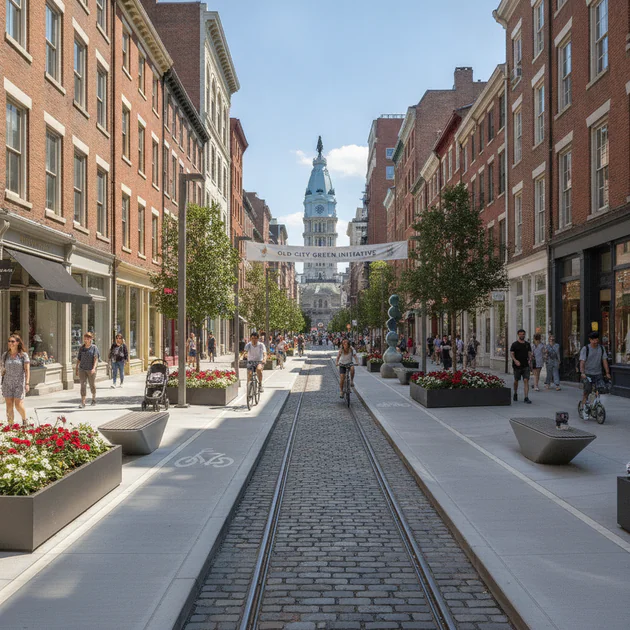
The project, a collaborative effort spearheaded by PennDOT and the Philadelphia Department of Streets, was born from a clear and urgent vision: to transform this vital artery from a liability into a modern, multimodal asset. The goals were ambitious and multifaceted. The primary objective was to completely reconstruct the roadway and sidewalks between 6th and 2nd streets, creating a safer, more efficient, and more welcoming environment for everyone.
The core tenets of the project’s vision included:
- Enhanced Pedestrian Safety: Widening sidewalks, installing new ADA-compliant curb ramps, and improving crosswalk visibility were top priorities. The goal was to make one of the city’s most historic districts more walkable and accessible for people of all abilities.
- Improved Traffic Flow and Public Transit: The project involved optimizing traffic signal timing, resurfacing the roadway for a smoother flow, and upgrading bus shelters. These changes aimed to reduce congestion and improve the reliability of SEPTA services along this critical route.
- Utility Modernization: A significant portion of the work happened below the surface. Coordinated efforts with utility companies led to the replacement and upgrading of aging water mains, gas lines, and electrical conduits, a crucial investment in the long-term resilience of the city’s Philly Infra.
- Aesthetic and Economic Revitalization: Beyond the purely functional, the project sought to enhance the streetscape’s aesthetic appeal with new trees, street furniture, and improved lighting. This beautification is a direct investment in the economic health of the Old City business corridor, making it a more attractive destination for tourists and locals alike.
This vision aligns perfectly with the broader trends in urban planning Philadelphia is embracing. By prioritizing pedestrian experience and multimodal transit, the Market Street project is a testament to a forward-thinking approach that balances historical preservation with the demands of a modern, growing metropolis. It serves as a powerful example of how targeted infrastructure investment can catalyze economic activity and improve the quality of urban life.
A Deep Dive into the New Concrete Infrastructure
The most visible and perhaps most critical component of the Market Street revitalization is the extensive use of advanced concrete infrastructure Philadelphia now benefits from. This wasn’t a simple “rip and replace” operation. The project demanded a sophisticated approach to materials science, engineering, and logistics to meet the unique challenges of the location. The result is a robust and resilient streetscape designed to withstand decades of heavy traffic and the city’s demanding climate.
The scope of the concrete work was immense. It included the complete reconstruction of sidewalks, curbs, and median islands, as well as the installation of new bus pads and utility access points. Each application required specific concrete mixes and installation techniques to ensure optimal performance and longevity. For construction professionals, the material choices and methods employed here set a new benchmark for Old City construction projects.
Key elements of the new concrete infrastructure include:
-
- High-Strength Sidewalks and Curbs: The project utilized high-performance, air-entrained concrete for all pedestrian surfaces and curbs. This mix is specifically designed to resist the freeze-thaw cycles that are notoriously damaging in our region, preventing spalling and cracking. The inclusion of synthetic fibers adds tensile strength, further enhancing durability against daily wear and tear.
* ADA-Compliant Ramps: A major focus was bringing all intersections into full compliance with the Americans with Disabilities Act. This involved the precise installation of concrete curb ramps with detectable warning surfaces (truncated domes), ensuring safe passage for visually impaired individuals and those using mobility devices.
- Reinforced Concrete Bus Pads: At designated SEPTA bus stops, the asphalt was replaced with heavily reinforced concrete pads. These pads, typically 10-12 inches thick, are engineered to withstand the immense static and dynamic loads of buses, preventing the rutting and shoving that commonly occurs in asphalt under such stress.
- Decorative and Stamped Concrete: In key pedestrian areas and crosswalks, decorative concrete was used to enhance the visual appeal and delineate different zones. This showcases how concrete can be both a functional workhorse and an aesthetic element in modern urban design, contributing to the unique character of Old City.
Executing this work in one of Philadelphia’s busiest districts presented formidable logistical hurdles. Contractors had to implement phased construction schedules to maintain traffic flow and pedestrian access to businesses. The use of rapid-setting concrete mixes was crucial in many areas, allowing sections to be poured and cured quickly, minimizing disruption. This “get in, get out” approach required meticulous planning and coordination, a hallmark of successful urban infrastructure projects.
The successful implementation of this complex concrete work underscores a critical takeaway for the industry: the future of Philly Infra lies in specialized materials and intelligent construction methodologies. The days of one-size-fits-all solutions are over. Today’s projects demand a deep understanding of material science and a commitment to building for long-term resilience.
The Broader Impact on Old City Construction Projects
The completion of the Market Street project is a catalyst, sending ripples of opportunity and change throughout the local construction ecosystem. Its impact extends far beyond the physical boundaries of the construction zone. It effectively redefines the baseline for Old City construction projects, influencing everything from private development decisions to public sector planning for years to come.
One of the most immediate effects is the “confidence boost” it provides to the area. By tackling and successfully completing such a complex and disruptive public works project, the city has demonstrated a profound commitment to Old City’s future. This public investment de-risks private investment. Developers who may have been hesitant to break ground on new residential or commercial projects are now looking at a district with brand-new, reliable core infrastructure. This solid foundation makes the entire area more attractive for development, potentially sparking a new wave of construction activity.
Furthermore, the project establishes a new quality standard. The high-spec materials and meticulous execution seen on Market Street will be the new expectation for any subsequent work in the vicinity. Developers and contractors proposing new projects will likely face increased scrutiny regarding their plans for public right-of-way improvements, utility connections, and overall build quality. This elevates the entire market, pushing the industry towards more durable and sustainable practices. The bar for concrete infrastructure Philadelphia expects in its historic districts has officially been raised.
Logistically, the project’s completion also streamlines future construction. For years, contractors in Old City had to navigate the complexities of working around the Market Street construction. Now, with this major artery fully operational, logistics for nearby projects—from material deliveries to staging—become significantly simpler and more predictable. This efficiency can translate into lower costs and faster project timelines, further incentivizing new development.
We can anticipate a cascading effect where the improved Market Street acts as a central spine, supporting and encouraging ancillary projects on adjacent streets. This could include smaller-scale streetscape improvements, private facade restorations, and new infill construction, all building upon the momentum generated by this anchor project. The city’s investment has, in essence, created a more stable and promising platform for the entire Old City construction market.
What This Means for the Future of Philly Infra
The Market Street Old City Improvement Project is not an isolated event; it is a key piece in a much larger puzzle of city-wide infrastructure renewal. It serves as a powerful indicator of the direction and priorities for the future of Philly Infra. For construction professionals, understanding this broader context is essential for strategic planning and positioning for future opportunities.
This project is part of a strategic, city-wide focus on upgrading aging systems and preparing for 21st-century challenges. It connects thematically and logistically with other major Philadelphia infrastructure projects, such as the ongoing I-95 CAP project and the long-term vision for Roosevelt Boulevard. The common thread is a move towards holistic, multi-modal solutions that prioritize safety, sustainability, and economic growth. We are witnessing a systemic shift from piecemeal repairs to comprehensive reconstruction, a strategy championed by planning bodies like the Delaware Valley Regional Planning Commission (DVRPC).
For contractors, developers, and the skilled trades, this long-term vision presents several key takeaways and opportunities:
- Increased Demand for Specialized Skills: The complexity of projects like Market Street highlights a growing need for a highly skilled workforce. Expertise in areas like high-performance concrete, advanced utility work, and complex traffic management will be in high demand. Companies that invest in training and certification will have a distinct competitive advantage.
- Growth in Public-Private Partnerships (P3): The scale of Philadelphia’s infrastructure needs often exceeds public funding capacity. We can expect to see a continued rise in P3 models to finance and execute large-scale projects. This creates new opportunities for private firms to take on larger roles in the development and long-term maintenance of public assets.
- A Focus on Resilience and Sustainability: Future projects will increasingly incorporate elements of green infrastructure, such as improved stormwater management and the use of sustainable materials. The new standards for durable concrete on Market Street are just one aspect of this larger trend towards building a more resilient city capable of withstanding the impacts of climate change.
- The Primacy of Logistics: As Philadelphia continues to densify, the ability to execute complex construction with minimal disruption to the public will become a paramount skill. Expertise in phased construction, just-in-time delivery, and community relations will be as important as technical building skills.
The Market Street project is, therefore, more than a completed job; it’s a signal to the industry. It signals that the city is serious about investing in its core, that it values quality and longevity, and that there is a deep pipeline of work for firms that can meet these elevated standards. The future of Philly Infra is bright, and it will be built by those who can deliver on this new vision of a modern, resilient, and connected city.
PTE’s Role in Philadelphia’s Evolving Landscape
As Philadelphia embarks on this ambitious era of infrastructure renewal, the role of expert partners becomes more critical than ever. At Philadelphia Trade Experts (PTE), we are not just observers of this transformation; we are active participants and enablers. Our deep understanding of the local market, combined with our commitment to providing elite skilled labor, positions us at the nexus of the city’s most important construction challenges.
Projects like the Market Street revitalization highlight the immense need for a reliable, highly skilled workforce. The success of such an undertaking hinges on the quality of the craftspeople on the ground—the concrete finishers ensuring a perfect surface, the equipment operators navigating tight urban corridors, and the laborers managing complex site logistics. These are precisely the areas where PTE construction services excel.
We see the trends shaping Philadelphia development plans not as challenges, but as opportunities for our clients and partners. The shift towards more durable materials and complex, phased construction requires a flexible and highly competent labor force that can adapt to evolving project demands. Our rigorous vetting process ensures that the talent we provide is not just certified, but truly proficient and ready to contribute to a project’s success from day one. Understanding these city-wide trends is crucial; read our expert analysis on the future of Philadelphia construction to stay ahead.
Moreover, our role extends beyond simple staffing. We serve as a strategic resource for contractors and developers, offering insights into labor market trends, safety protocols, and project management best practices. By understanding the full scope of upcoming Philadelphia infrastructure projects, we can help our clients anticipate their labor needs and build the right teams for success. Our team has been at the forefront of projects that demand this level of precision. Learn more about our specialized construction labor services and how we can support your next project.
Frequently Asked Questions About the Market Street Project
What was the primary goal of the Market Street project?
The primary goal was a comprehensive reconstruction of Market Street between 2nd and 6th Streets to modernize its infrastructure. This included improving pedestrian safety with new ADA-compliant sidewalks and ramps, enhancing traffic flow, upgrading aging underground utilities, and revitalizing the overall streetscape to support local businesses and create a more welcoming public space.
How does this new concrete infrastructure improve daily life in Old City?
The new concrete infrastructure provides numerous daily benefits. For pedestrians, it means smoother, wider, and safer sidewalks, eliminating trip hazards and improving accessibility. For public transit riders, the new concrete bus pads create more stable and durable waiting areas. For drivers, the improved road base contributes to a smoother ride. Overall, the investment in high-quality concrete infrastructure Philadelphia has made here leads to a more functional, attractive, and resilient urban environment for everyone.
Are there more Philly infra projects planned for the area?
Yes. The Market Street project is a key component of a larger, ongoing effort to upgrade infrastructure across the city. It is expected to act as a catalyst for further improvements in and around Old City. Additionally, the city is advancing other major initiatives, such as the I-95 CAP project and ongoing neighborhood streetscape improvements, demonstrating a sustained commitment to modernizing Philadelphia’s foundational systems.
How can construction companies get involved in future Philadelphia infrastructure projects?
Companies can stay informed by monitoring procurement portals from agencies like PennDOT and the City of Philadelphia. Networking through industry associations is also key. Most importantly, firms should focus on developing specialized capabilities, particularly in areas like complex urban logistics, advanced materials, and safety compliance, as these are the skills that will be in highest demand for future Philly Infra contracts.
Conclusion: A Concrete Foundation for Philadelphia’s Future
The completion of the Market Street Old City Improvement Project is far more than an item checked off a municipal to-do list. It is a landmark achievement that provides a tangible, durable foundation for Philadelphia’s future growth. The new ribbons of concrete, the accessible pedestrian pathways, and the modernized subterranean utilities represent a profound investment in the city’s economic and social well-being. This project is a powerful statement about our city’s commitment to building a world-class urban environment.
For those of us in the construction industry, this project offers a clear vision of what’s to come. It has set a new benchmark for quality, resilience, and meticulous execution in urban renewal. The success on Market Street will inform and inspire the next wave of Philadelphia infrastructure projects, creating a wealth of opportunities for skilled trades, innovative contractors, and strategic developers. The revitalization of this historic corridor proves that with the right vision, investment, and expertise, we can successfully modernize our city while honoring its rich heritage.
The future of Philly Infra is being poured today, and Philadelphia Trade Experts is proud to be a part of it. We remain dedicated to supporting the firms and professionals who are rebuilding our city, one project at a time. To stay informed on how these developments will impact your business and to explore further expert analysis, we invite you to read more about the Market Street project updates and other critical industry news.
Leave a Reply