
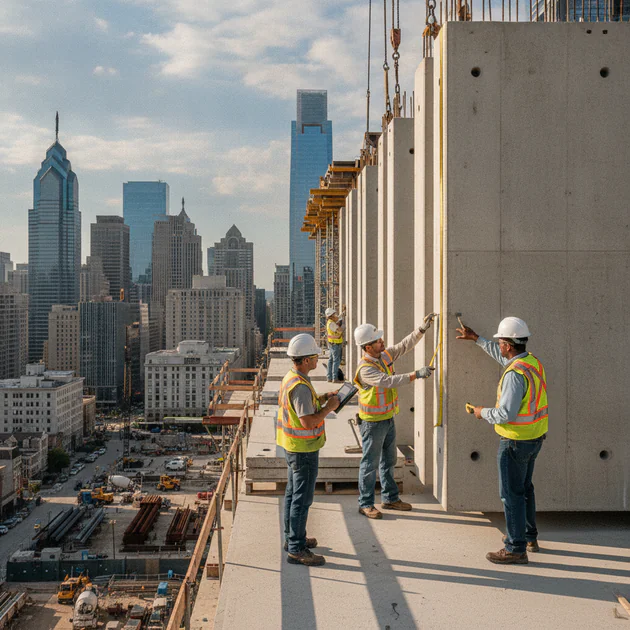
The Ultimate Guide to New Philadelphia Precast Concrete Safety Protocols After Recent Failures
The Philadelphia skyline is a testament to ambition and engineering, with precast concrete playing a pivotal role in its rapid expansion. This efficient and versatile building material has enabled faster construction timelines and innovative designs across the city. However, the shadow of recent high-profile structural failures, both locally and nationally, has cast a serious and necessary spotlight on the methods and oversight governing its use. The conversation in every project trailer and boardroom has shifted, focusing intensely on the new era of Philadelphia precast concrete safety protocols. These discussions are no longer theoretical; they are urgent, driven by the need to prevent catastrophic events, protect workers, and restore unwavering public trust in our built environment.
For general contractors, site superintendents, and project managers in the Philadelphia region, this is a critical juncture. The old ways of doing things are being rigorously re-evaluated, and regulatory bodies are signaling zero tolerance for shortcuts or ambiguity. Understanding and implementing the latest safety standards is not merely a matter of compliance—it’s a fundamental responsibility for safeguarding lives and investments. This comprehensive guide from Philadelphia Trade Experts will break down the evolving landscape of precast concrete installation, from enhanced pre-construction reviews to stringent on-site verification, ensuring your projects not only meet but exceed the new benchmark for safety and structural integrity.
Table of Contents
- The Wake-Up Call: Analyzing Recent Precast Concrete Failures
- A Deep Dive into Updated Philly Construction Safety Standards
- Implementing Robust Philadelphia Precast Concrete Safety Protocols On-Site
- The Investigation Process: What to Expect When Things Go Wrong
- The Future of Precast Construction: Technology and Training
- Frequently Asked Questions (FAQ)
The Wake-Up Call: Analyzing Recent Precast Concrete Failures
It is impossible to discuss the current state of Philly construction safety standards without acknowledging the incidents that forced this industry-wide reckoning. While every project carries inherent risks, recent collapses, particularly involving parking structures, have highlighted specific vulnerabilities in the precast concrete lifecycle. A thorough parking garage collapse investigation Philly teams would conduct often reveals a pattern of systemic issues rather than a single point of failure. These events serve as tragic but invaluable case studies, compelling us to dissect what went wrong and fortify our processes against future occurrences.
Analysis of these failures frequently points to a few common culprits:
- Connection Design and Execution: The points where precast elements connect—to each other and to the main structure—are the most critical. Failures often stem from improperly designed, detailed, or executed connections. This can include insufficient reinforcement, incorrect welding procedures, or premature load application before grouting has fully cured.
- Lack of Independent Oversight: A recurring theme is the absence of rigorous, third-party inspections at critical stages of erection. Self-certification, while efficient, can lead to missed errors or unverified assumptions about on-site conditions.
- Installation and Sequencing Errors: The order and method of placing precast components are meticulously planned for a reason. Deviating from the approved erection plan, improper handling during lifting, or inadequate temporary bracing can introduce stresses that the structure was not designed to handle, leading to instability.
- Material Degradation and Maintenance: For existing structures, failures are often linked to long-term issues like water intrusion, which leads to corrosion of reinforcing steel and connection hardware, compromising the overall structural integrity.
The consequences of such failures are devastating, extending far beyond the financial losses of rework and litigation. The human cost is immeasurable, and the damage to a firm’s reputation can be permanent. This is why the industry is shifting from a reactive to a proactive approach in its construction risk management strategies. The focus is now on identifying and mitigating these potential failure points long before the first precast panel is ever lifted into place.
A Deep Dive into Updated Philly Construction Safety Standards
In response to the heightened risk profile, regulatory bodies and industry leaders are championing more stringent Philly construction safety standards. While formal changes to the Building codes Philadelphia adopts can take time, the standard of care expected on job sites has already elevated dramatically. Project stakeholders, from developers to insurance carriers, are demanding a higher level of diligence. This new paradigm emphasizes verification, documentation, and accountability at every step.
Key areas of increased focus include:
- Mandatory Third-Party Inspections: Expect a rise in requirements for Special Inspections conducted by an independent agency. These inspectors will be tasked with verifying critical elements like welding, grouting, and bolt torque at connection points, providing an unbiased confirmation that work is performed according to the approved plans.
- Enhanced Shop Drawing Review: The architect and engineer of record are applying greater scrutiny to precast fabricator shop drawings. They are looking for clearer details on connections, lifting points, and temporary bracing requirements to eliminate ambiguity for the erection crew.
- Pre-Installation Conference Mandates: A formal meeting involving the general contractor, erection foreman, engineer of record, and third-party inspector is becoming standard practice. This meeting ensures everyone is aligned on the erection sequence, safety protocols, and specific site challenges before work begins.
- Installer Certification and Training: There is a growing demand for erectors to be certified through programs like those offered by the Precast/Prestressed Concrete Institute (PCI). This certification provides assurance that the crew has been trained in the specific means and methods required for safe concrete installation safety.
- Detailed Erection and Bracing Plans: Submitting a generic safety plan is no longer sufficient. Authorities and primary contractors now require detailed, site-specific erection plans stamped by a professional engineer. These plans must account for crane placement, sequencing, and robust temporary bracing designs that can withstand wind and construction loads.
These updated standards are designed to create a system of checks and balances. They ensure that the design intent is correctly translated through fabrication and perfectly executed during installation, with independent verification confirming each critical step. For more on local regulations, it’s always wise to consult Philadelphia’s Department of Licenses and Inspections directly.
Implementing Robust Philadelphia Precast Concrete Safety Protocols On-Site
A paper plan is only as good as its execution. Effectively implementing the new Philadelphia precast concrete safety protocols requires a disciplined, phase-by-phase approach. It’s about building a culture of safety that permeates every level of the project team, from the project manager to the individual ironworker making the connection. Here is a practical framework for on-site implementation.
- Phase 1: Pre-Construction and Design IntegrationSafety begins long before ground is broken. During this phase, the focus is on proactive planning and eliminating ambiguity. Key actions include a thorough constructability review of the engineer’s plans, ensuring the connection details are practical for field crews. This is the time for a deep dive into construction risk management, identifying potential hazards and developing mitigation plans. All shop drawings from the precast fabricator must be meticulously cross-referenced with the structural drawings before approval. A crucial step, often overlooked, is to host the pre-installation conference well in advance, allowing time to address any concerns raised by the erection team or special inspector.
- Phase 2: Fabrication Quality Control and LogisticsThe integrity of the final structure depends on the quality of its components. Your team, or a designated third party, should have oversight of the precast plant’s quality control program. This includes verifying concrete strength, rebar placement, and the precise location of embedded connection plates. As components are shipped, ensure they are loaded and supported (dunnage) correctly to prevent damage in transit. Upon arrival at the site, every single piece must be inspected for cracks, spalls, or other damage that may have occurred. A damaged piece should be immediately quarantined and reported to the engineer of record for disposition.
- Phase 3: The Erection Process – Precision and PatienceThis is the most high-risk phase, where concrete installation safety is paramount. The site must be prepared, with certified ground-bearing capacity for the crane. The erection sequence must be followed to the letter, with no deviations unless formally approved via an RFI. Each piece must be guided into place—never forced. Temporary bracing must be installed immediately and remain in place until the permanent connections are fully completed and inspected. Weather is a major factor; work must be halted in high winds or other adverse conditions as specified in the erection plan. The erection foreman holds the most critical role here, and their authority to stop work for safety reasons must be absolute and supported by management.
Our team at Philadelphia Trade Experts offers specialized oversight services to ensure these complex operations are managed flawlessly.
- Phase 4: Post-Installation Verification and DocumentationThe job isn’t finished when the last panel is set. The final connections—whether welded, bolted, or grouted—are what give the structure its permanent strength. This work must be performed by qualified personnel and meticulously inspected. For example, welds must be checked by a Certified Welding Inspector (CWI). Grout ports must be checked to ensure no voids exist within the connection. Only after the special inspector has signed off on all connections in a given area can temporary bracing be removed. Finally, all inspection reports, sign-offs, and as-built drawings must be compiled into a comprehensive turnover package, providing a permanent record of the project’s quality and compliance.
The Investigation Process: What to Expect When Things Go Wrong
In the unfortunate event of a failure, a multi-agency investigation is immediately launched. Understanding this process is crucial for all construction professionals, as it informs the type of documentation and diligence required on every project. A typical parking garage collapse investigation Philly would see involvement from the Occupational Safety and Health Administration (OSHA), Philadelphia’s Department of L&I, and the firm’s own insurance carrier, who will likely bring in forensic engineering experts.
The primary goals of the investigation are to determine the root cause of the failure to prevent recurrence and to establish liability. The process is methodical and evidence-based:
- Site Security and Evidence Preservation: The first step is to secure the site to ensure safety and preserve the scene. Nothing is moved or altered without the express permission of the lead investigators.
- Documentation Review: Investigators will subpoena all project documents. This includes architectural and engineering plans, shop drawings, RFIs, daily reports, safety meeting minutes, inspection logs, and all correspondence related to the project. Meticulous, contemporaneous record-keeping is your best defense.
- Witness and Personnel Interviews: Everyone from the project executive to the laborers on site will be interviewed to create a timeline of events and understand the procedures that were being followed.
- Material and Forensic Testing: Samples of failed concrete, steel connections, and other components will be sent to a lab for analysis. This can determine if the materials met specifications or if there were underlying defects.
- Structural Analysis and Modeling: Forensic engineers will use sophisticated software to model the structure and simulate the loads and conditions at the time of the collapse. This helps them pinpoint the sequence of failure and the initiating event.
The findings from these investigations often lead to direct changes in building codes and industry best practices. They underscore the non-negotiable importance of adhering to the highest Philly construction safety standards. For federal guidelines on construction site safety, the OSHA construction page is an essential resource.
The Future of Precast Construction in Philadelphia: Technology and Training
The renewed focus on safety is accelerating the adoption of technology and advanced training within the Philadelphia construction industry. These tools and programs are moving from “nice-to-have” to “need-to-have” status, providing new ways to enhance oversight and improve structural integrity.
Building Information Modeling (BIM) is at the forefront of this evolution. By creating a detailed 3D digital model of the entire project, teams can run clash detection to identify potential conflicts between precast elements and other systems (like MEP) before fabrication even begins. The model can also be used to simulate the erection sequence, helping to optimize crane paths and identify potential safety hazards in a virtual environment.
On-site, technology like drone photography and laser scanning is providing more accurate and frequent progress monitoring. Drones can be used for visual inspections of hard-to-reach connections, while laser scanning can verify that elements have been placed within the specified tolerances. This data creates a digital twin of the as-built condition, providing an invaluable and indisputable record of the construction quality.
Ultimately, however, safety comes down to people. The industry is placing a greater emphasis on continuous education. Certifications for crane operators, riggers, welders, and precast erectors are becoming mandatory on more job sites. Project managers and superintendents are also seeking advanced training in construction risk management and the specific nuances of precast structures. This commitment to a well-trained, knowledgeable workforce is the single most important factor in upholding the rigorous Philadelphia precast concrete safety protocols.
Frequently Asked Questions (FAQ)
What are the most common causes of precast concrete installation failures?
The most common causes trace back to connection points. This includes design flaws in how pieces connect, improper field execution such as faulty welds or incomplete grouting, and a lack of temporary bracing during the erection sequence. Another major factor is a breakdown in communication and oversight between the design team, the fabricator, and the on-site erection crew.
Who is ultimately responsible for ensuring precast concrete safety on a Philadelphia job site?
While safety is a shared responsibility, the general contractor or construction manager holds the ultimate responsibility for overall site safety. They are responsible for hiring qualified subcontractors, enforcing the site safety plan, and ensuring all required inspections and verifications are completed. However, the engineer of record, the precast fabricator, the erection subcontractor, and third-party inspectors all share liability within their respective scopes of work.
How have Philadelphia building codes changed in response to recent incidents?
Formal code changes are a lengthy process, but the immediate impact has been on enforcement and the standard of care. Philadelphia’s Department of L&I is applying much greater scrutiny to erection plans and Special Inspection reports for precast projects. We are seeing a de facto increase in requirements for third-party oversight and more detailed submittals, which will likely be codified in future updates to the city’s building code.
What immediate steps should a site manager take if they suspect a structural integrity issue with precast concrete?
If a site manager or any worker suspects an issue—such as a visible crack, a connection that doesn’t align, or unusual noises—they must take immediate action. The first step is to clear and secure the affected area to ensure personnel safety. Second, they must halt all work in that vicinity. Third, they must immediately notify the project’s structural engineer of record and the general contractor’s senior management. No attempt should be made to “fix” the problem without explicit direction from the engineer.
Conclusion: A New Standard of Diligence for Philadelphia Construction
The construction landscape in Philadelphia is at a pivotal moment. The recent focus on precast concrete failures has served as a powerful catalyst for change, forcing a necessary evolution in how we approach building safety. The era of simply meeting the minimum standard is over. The new expectation, driven by regulatory pressure and market demand, is a proactive, verifiable, and deeply ingrained culture of safety. Implementing these new Philadelphia precast concrete safety protocols is not just about compliance checklists; it’s about a fundamental commitment to excellence and the well-being of both our workforce and the public who will use these structures for decades to come.
From meticulous pre-construction planning and third-party verification to leveraging new technologies, every stakeholder has a role to play in upholding this higher standard. As a leader in the Philadelphia construction community, it is your responsibility to be informed, diligent, and unwavering in your application of these critical safety measures. The integrity of your projects and the future of our city’s skyline depend on it.
Ensure your team is up to date and your project is protected. Share this guide with your colleagues and contact Philadelphia Trade Experts for a comprehensive safety audit of your precast concrete installation procedures.
Leave a Reply